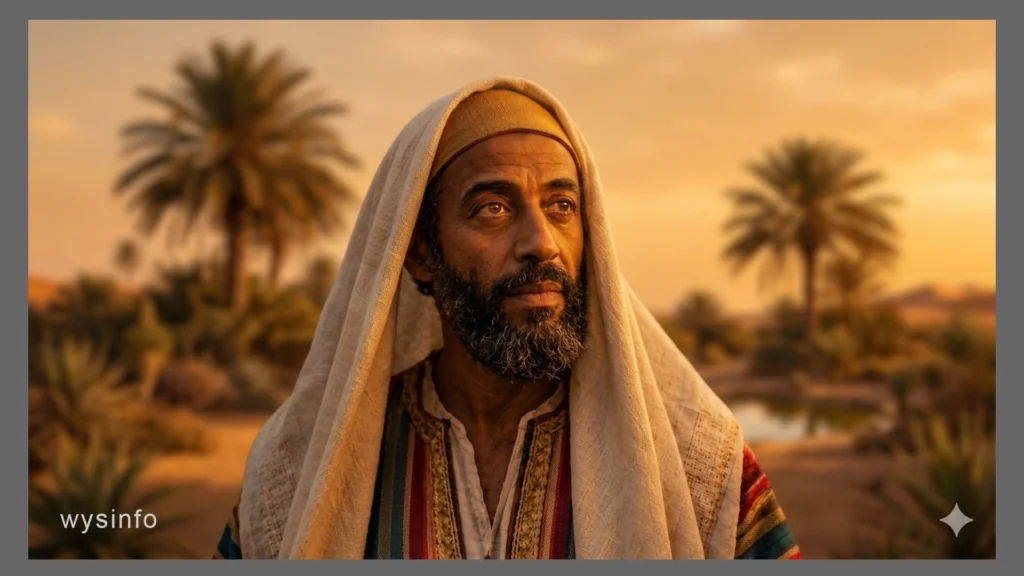
David Hareuveni – AI generated illustration based on descriptions from eye witnesses
“I am David (Hareuveni) son of the late King Solomon, blessed be his memory.
My brother King Josef, is older than myself and he is sitting on his throne in the desert of Havor (Habor). He rules over 300000 people of the Gaddis, and the sons of Reuben and half the tribe of Menasha.
My brother and his seventy elder advisers, ordered me to go, first to Rome, to meet the G-D fearing Pope.”
The above is the beginning of David Hareuveni’s diary of his journey from the Arabian Peninsula to Europe in the early 20’s of the 16th century (1521). The following map is based on what he wrote in his diary during his journey, till his arrival to Portugal. The English version of his account, provided here, is a freestyle translation / summary, by Wysinfo, of his Hebrew text.
Map update is in process
Introduction to David Hareuveni’s story
16th century political background – a trigger for Hareuveni’s mission
To fully appreciate the challenges that David Hareuveni faced in his mission it is essential to understand the historical context in which he operated. The early 16th century was a period of significant upheaval and change, both in Europe and the Middle East…Expand to read more... The European powers were engaged in complex political and religious conflicts. The Ottoman Empire, on the other hand, just took over the Levant from the Mamluks in 1516-17, and was expanding its influence. Portugal operated as a maritime empire under Kings Manuel I and John III, focusing its intentions on securing a global monopoly over the lucrative Asian spice trade, expanding trading posts in the Indian Ocean, and beginning the formal colonization of Brazil. It had a formal diplomatic presence in Ethiopia during the 1520s. A mission sent by King Manuel I of Portugal (father of John III), sought to solidify an alliance with the Ethiopian Emperor (Lebna Dengel), whom Europeans long believed to be the mythical Christian King Prester John. Spain was transitioning into a global superpower under King Charles I (who became known as the Holy Roman Emperor Charles V in 1519). Its core domestic intentions involved centralizing royal absolutism and crushing internal dissent. Internationally, Spain intended to expand its overseas empire (completing the conquest of Aztec Mexico in 1521) and assert dominance over European rivalries, specifically against France and the Ottoman Empire. The Ethiopian Empire (Abyssinia) under Emperor Lebna Dengel was focused on securing its borders against rising regional Muslim sultanates, maintaining its Christian identity, and forging strategic military and diplomatic alliances with Christian Europe—particularly Portugal—to counter Islamic expansion in the Horn of Africa. The Ottoman Empire had just taken over the Levant from the Mamluks in 1516-17, and was expanding its influence. During the first 25 years of the 16th century (1500–1525), the Ottoman Empire expanded dramatically southward and eastward into the Middle East and North Africa, annexing Syria, the Levant, Egypt, and the Hejaz region of the Arabian Peninsula including Mecca, Medina and surrounding oases like Khaybar. They were also pushing into parts of Eastern Europe and early campaigns in Hungary. France was ruled by King Francis I. Its primary national intention was breaking the geopolitical encirclement by the Habsburg Empire (which was part of Charles V’s empire), maintaining French influence in Italy, and managing internal religious shifts as early Protestant ideas began to trickle into the Kingdom. England was ruled by King Henry VIII and guided by his chief minister, Cardinal Thomas Wolsey. England’s core intentions focused on maintaining a balance of power between rival continental giants France and the Holy Roman Empire, securing a male royal heir, and managing internal economic and tax pressures. ….
David Hareuveni’s mission in his journey was to try and form a coalition of Christian powers with the Jews in Arabia and elsewhere in order to overthrow the Islamic rule from the Levant. His idea was to free the area from Muslim control. Thus, in his mind, the Christian powers would expand their influence east and south and, in return, the Jews would re-establish their state in the land of Israel.
About Hareuveni’s Roots
Hareuveni wrote that his roots were from the tribes of Reuven, Gad and half of Menasha. Based on biblical sources scholars believe that these tribes were stationed/granted the territory east of the Jordan River from south of the Kinneret down, acquiring half of the length of the Dead Sea (today referred to as Transjordan). The Assyrians, when they conquered this area, expelled these tribes north to the area of Mesopotamia/Iraq, Iran and so forth. However many claim that not all members of the two and the half tribes were exiled north. Some fled south and during the centuries, due to economic needs and growth, expanded to the oases of the Hejaz in the Arabian Peninsula. One of the areas was Khaybar… Expand to read more... Hareuveni tells us that he came from ‘Habor’. Some of the scholars associate ‘Habor’ with the Havor desert in the area of Persia, Iraq / Mesopotamia where they believe the two and the half tribes were exiled. However, others believe he was referring to Khaybar. During the centuries the two and a half tribes and also part of Shimon and Yehuda, controlled vast areas in the Hejaz and had a physical, financial and cultural influence there. They got a serious hit with the expansion of Islam and scattered. Still many remained in neighboring areas, some under forced conversion to Islam, while others kept a lower profile. Hareuveni, who defined his origin as being from the tribe of Reuven, stated that he came from an area which was located 10 days from the harbor town of Jeddah on the bank of the Red Sea – which corresponds with the area of Khaybar. Based on his diary and the accuracy of his descriptions along his journey, we tend to accept his own statements and believe that he came from Khaybar which is located about 10 days from Jeddah Many who have written about David Hareuveni have questioned aspects of his story, suggesting that he exaggerated or fabricated some parts. While reading his diary and going through the critics’ essays/feedback that relate to the diary, we asked ourselves some questions. Why would he fabricate [as suggested by these scholars] his background and why would he fantasize stories about his experiences in Africa? Certainly the stories he describes in Europe, which have been verified, are all as fantastic as anything he describes in Africa. Another important question is ‘Why would a man in fact dedicate and risk his life trying to achieve a goal that would be nearly impossible to fulfill, especially at that period, if he were not genuine in his described life mission’. The historian Itzhak Ben-Zvi, who was also the 2nd president of the State of Israel, performed an important research regarding the origin of different Jewish communities around the world. One part of his research included results about the origin of Jews in Arab countries, based on earlier studies, documents and testimonies. This is a link to the book where Ben-Zvi presents his research.….
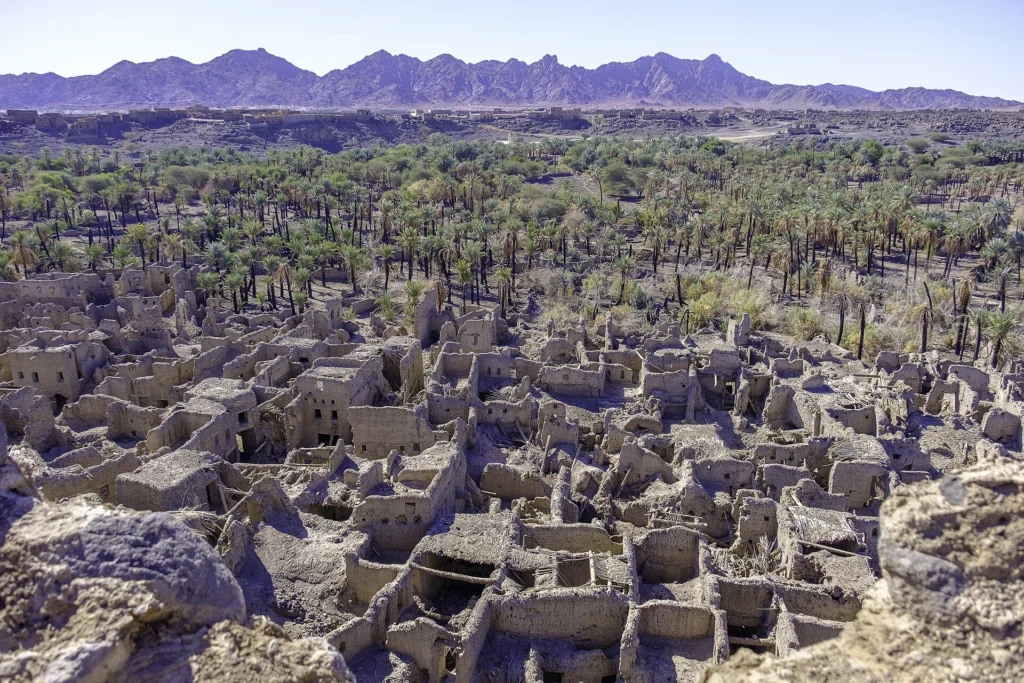
Khaybar, believed to be ‘Habor’ in Hareuveni’s diary, deserted houses – Hardscarf – creative common CC BY-SA 4.0
Summary of Hareuveni’s Journey From Habor to Africa
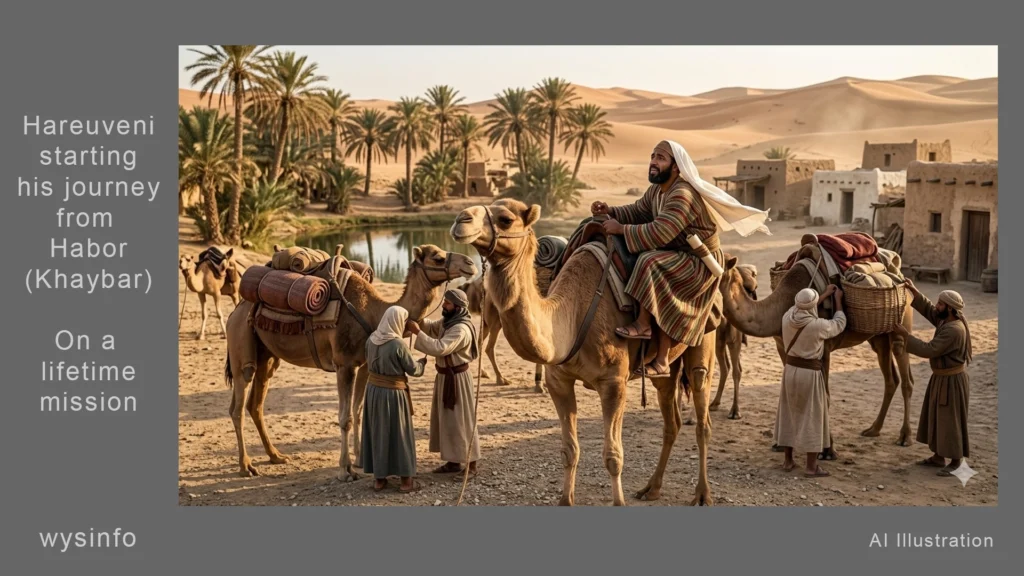
So he left his home in Habor (Khaybar- an oasis in Hejaz, west side of the Arabian peninsula), on behalf of his brother and his advisers, and started his long journey to Europe, to Rome, with the intention of meeting the Pope. He wanted to convince him of the importance of his idea and the benefits that both the Christian world as well as the Jewish people would gain.
p.133
Hareuveni begins his Journey – Leaving Habor in Arabian Peninsula to Africa
David Hareuveni joined a camel convoy of merchants. After 10 days in the desert they arrived to Jeddah, an important port town on the east bank of the Red Sea.
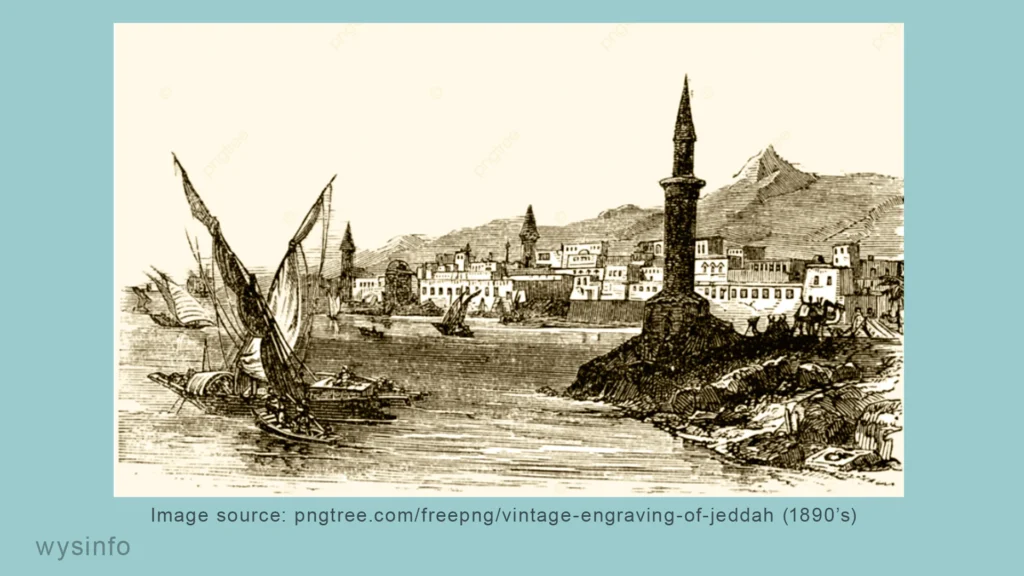
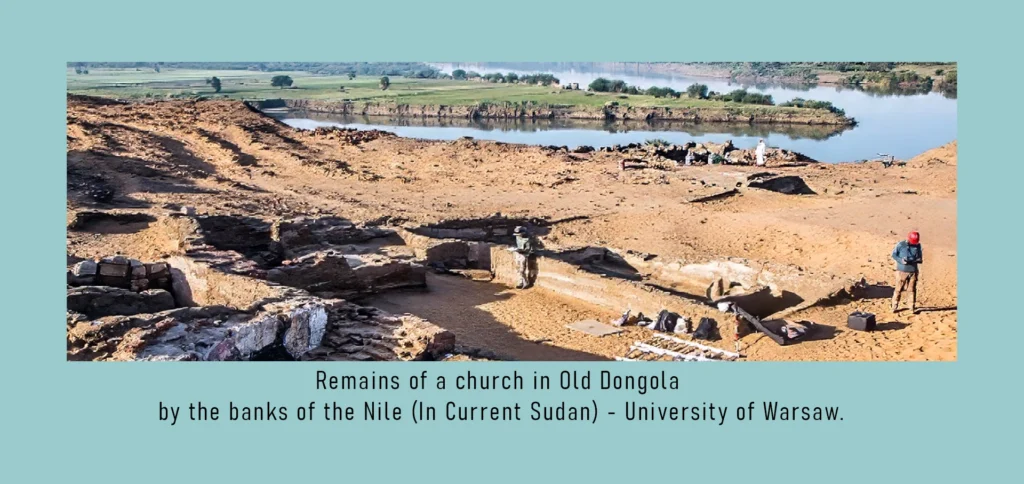
He stayed in the city for 5 weeks trying to recover from an illness that he suffered during the journey. Still sick, he left with his servant and goods on a passenger boat. They landed, 4 days later, in Suakin Africa, a harbor city on the west side of the Red Sea that is located today in what is currently north east Sudan…Expand to read more... p.133 bot. David Hareuveni stayed in Suakin for 2 months, still recovering from his severe illness. Then, he joined a 3000 camel merchant convoy coming from Tigris and heading to the capital of Habash/Kush. The capital city was located by the sources of the Nile, where Ethiopia/Sudan of today are. Hareuveni describes that this was a journey of 2 more months of walking in deserts and forests, through rivers, through green areas and dry land, and through plains and mountains before they arrived at the top of the Kingdom of Kush where King Amara of Amhara ruled. King Amara was black, added Hareuveni. He ruled over an area that also included the top of the Nile, and he ruled over black tribes as well as light color people. p.134-140 Hareuveni wrote that he was received by the King of that country with great respect. He traveled with King Amara in his monthly visits along his territories. Hareuveni described his experience with them, their culture, behavior, habits and their daily life. Hareuveni stayed in that area for 10 months. Then, he left and travelled north, first with guards supplied by King Amara and then along the trade routes, joining different merchant convoys. He stumbled upon different groups that sometimes helped him and others that sometimes would deceive him. He went through Sennar, which was (and still is) located along the Blue Nile, and was the Capital of the Funj people in the 16th century. He kept on north and passed by the Takaki county, (not to be mistaken with the Atakaki (Taka) Mountains which are located some 300 Km East). [Takaki county was located by the Nile along the northern route to Dongola. It was an area that was under the Funj Kingdom and served as a resting point for convoys that were coming also from the east]. After a number of days of rest it took him a few more days to arrive at old Dongola, a town by the bank of the Nile. The Nile was and still is a source of life for the people and the countries along it. Nevertheless, it is somewhat dangerous to whoever does not respect the constraints along it. There are six cataracts along the Nile River. They are located between Aswan in Egypt and about 70 km south of Meroe in Sudan. They are shallow, with rocky rapids. Hareuveni, who intended to go along the Nile on his way to Egypt, was advised to take a less dangerous route. He was told that the journey along the Nile, although shorter in time, was not recommended. He was told that it was full of criminals and robbers and hostile tribes that could endanger his life. Hareuveni accepted the advice and picked the longer and more difficult road in the desert, with experienced and trustworthy guides. It took Hareuveni a few more months in the desert before he got to a place that he defined as Nirna (Girga – in Upper Egypt), close to where he was able to enter a small boat that took him along the Nile to Egypt. p.141-143 Hareuveni arrived in Egypt at the end of February 1523 (Beginning of Adar רפג-1523). He did not give the name of the entry point. But he described experiencing bribery and theft of most of his money and treasures. He wrote about the death of his honest servant and about the disappointments he had with the new servant he acquired. Hareuveni introduced himself as a Muslim throughout most of his journey in Africa. Only when he arrived in Egypt, Fustat – (Old Cairo) – when he found a Jewish owner of a jewelry shop – did he feel somewhat safe enough to tell about himself and about his mission. Still, he did not get much help from the Jewish community, which preferred to stay in the shadow being worried of a possible negative response from their gentile neighbors. p.143 mid. A few days after landing, Hareuveni joined a convoy of camels and arrived to the city of Gaza on the shore of the Mediterranean. ….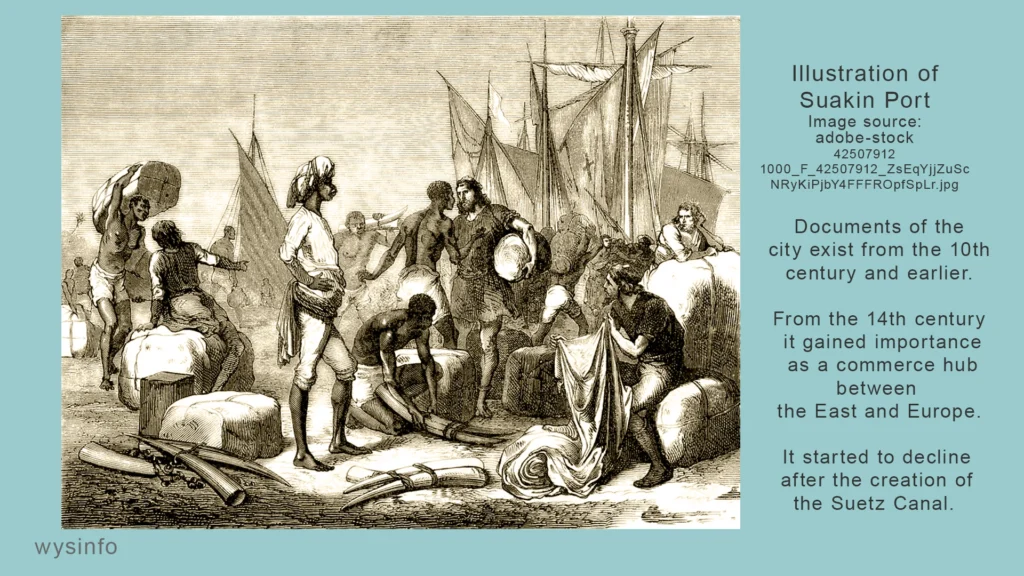
Months around Habash/Kush where Ethiopia/Sudan of today are
Hareuveni in Egypt
.
Land of Israel – Summary of Hareuveni’s Visit
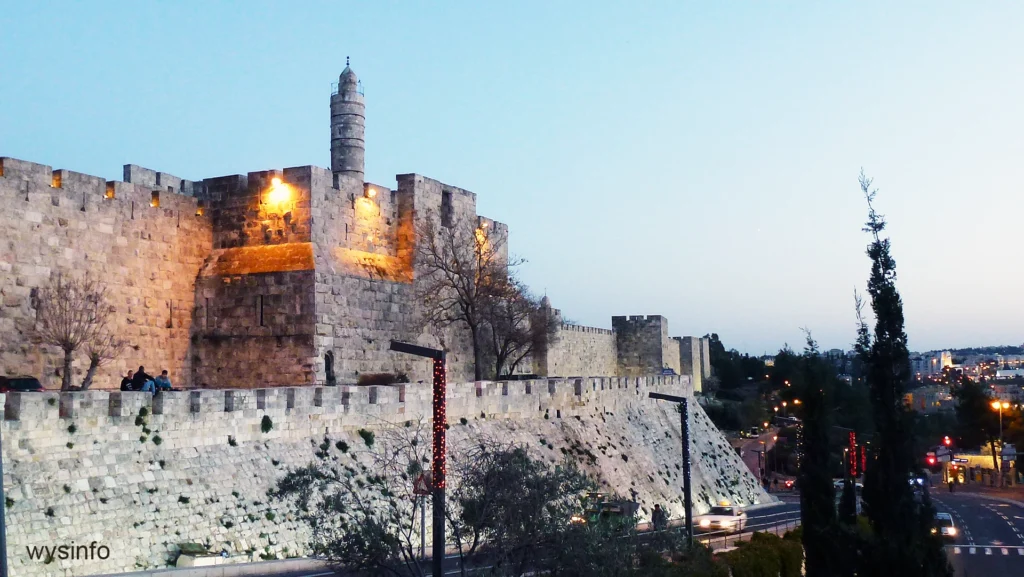
Jerusalem – King David Tower
Hareuveni on his way to Jerusalem
Hareuveni arrived in Gaza on the 15th of Adar, 5283, (12th of March 1523 ט״ו בַּאֲדָר רפ״ג). Gaza was, at that period (1520’s), a prosperous center for regional trade and agriculture. It served as a crucial connection point for caravan routes and pilgrims traveling between Egypt and the Levant. It also served as junction for some of the merchandise arriving from India and Arabia going on to Europe. Hareuveni stumbled upon a man in the hotel that he found. Saturated with the bad experience he had with people until then, he very cautiously started to chat with the person. Eventually he understood that he happened to be Jewish. Then, Hareuveni asked him how to get to the city of Hebron…Expand to read more... Five days later he was already with a convoy going towards the forefather’s city. Hareuveni left Gaza on the 19th of the month of Adar (יט באדר). He arrived in Hebron four days later, on 23rd of Adar (כג באדר). He visited the Cave of the Patriarchs and prayed there, still under a false identity. He described the cave, in relative detail, and felt free to ask the guards about the graves and the things he saw. The next day he went to Jerusalem. He arrived to Mount Moriah where the temple was, on the 25th of Adar (כה באדר). Still in disguise as a Muslim – since he would not be allowed to enter the holy places as a Jew – he went to the Dome of the Rock and entered the cave where the stone and the fountain were. He asked his companions to leave, for he had the need to pray there alone. Which he did, quietly on his own, to G-D. Hareuveni stayed in Jerusalem mourning and praying. He visited Mount Zion where King David’s tomb is located. On one of the days, while he was praying on the holy mount, he wrote that he saw a group of people from his country, Havor. For obvious reasons they ignored each other. In the 1st and the 2nd day of Shavuot, a certain event occurred in the prayer house. It was a sign that was interpreted by the Muslims as an indication of an ominous future that is coming. Hareuveni wrote that some time earlier, old men (from his country) told him that when this sign occurs it would be the time for him to go on to Rome. Hareuveni, still in Jerusalem, went to the Jewish neighborhood and, beside the synagogue, he stumbled upon a Jewish man. They met a few times. While chatting, after being sure he was Jewish, Hareuveni asked his new friend Avraham to draw for him a map of where Rome, Venice and Portugal were located. He would not tell Avraham what the purpose of his journey was, but he indicated that it was for a good purpose. Hareuveni also handed Avraham a letter for Rabbi Itzhak, the head of the Jewish community in the city.….
Back in Africa, Egypt – From Alexandria to Venice
Hareuveni leaving Jerusalem for the port of Alexandria in Egypt
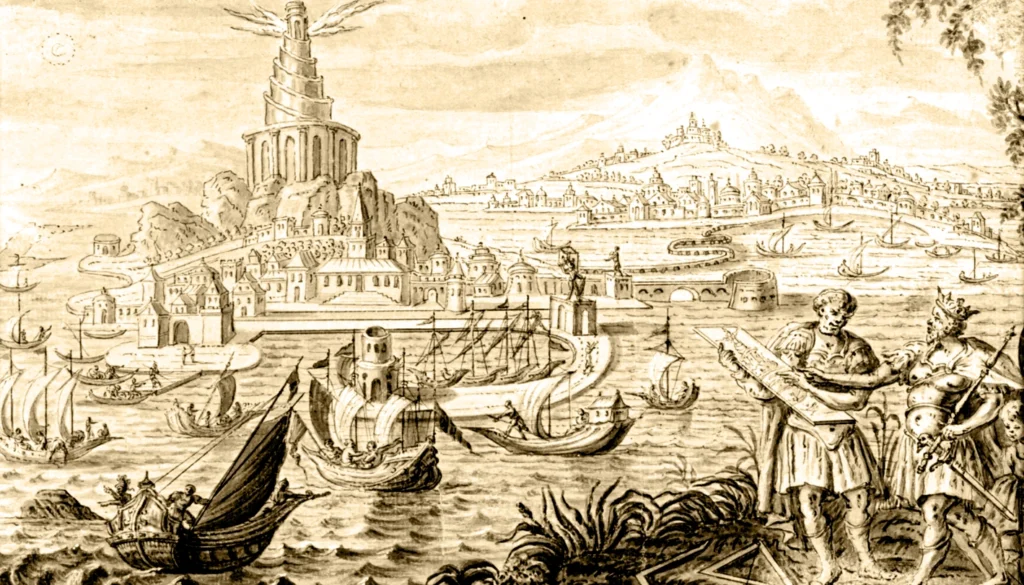
Alexandria port, 16th Century. Maarten van Heemskerk (Heemskerk 1498 – Haarlem 1574)
p.148
Hareuveni left Jerusalem on June 17th 1523 (רפג כד בסיוון) for Gaza. He left the city with a group of Muslims that accompanied him for 5 miles. He arrived in Gaza in the month of Tamuz תמוז. Hareuveni stayed a few days in Gaza, being hosted by the respected Jewish community there. Some of them he already met while on his way to Jerusalem. He told them about himself, about his family, where he came from and about his mission. He asked them to help him organize a ship that would get him to Alexandria from which he was going to get to Europe. Expand to read more... On July 8th, 1523 (טז בתמוז רפג) he left Gaza. Two days later he arrived in Damiata, an important port city on the east side of the Delta of the Nile. He spent the Shabbat with the Jewish Rabbi Mordechai who directed him to go along the shore to the place in Damiata, where he entered a boat which took him to Alexandria. Hareuveni arrived in Alexandria on July 17th (24th of Tamuz). He stayed in the city for 5 months, introducing himself to the Jewish community, telling them his story and talking about his mission. They helped him to get a pass from the consulate to get to Rome. p.150 On the 2nd of December 1523 ( רפד באמצע כסליו ), Hareuveni and his new servant Yosef (of Italian descent) left Alexandria, in a boat, on their way to Venice. Hareuveni mentioned the difficulties he experienced during his attempts to keep eating kosher food in the ship. He was also not satisfied with some of his servant’s activities there. Still it was Yosef, the Italian born servant, who helped Hareuveni in his early steps in Europe.….From Alexandria in Egypt to Venice in Italy
Europe – First steps
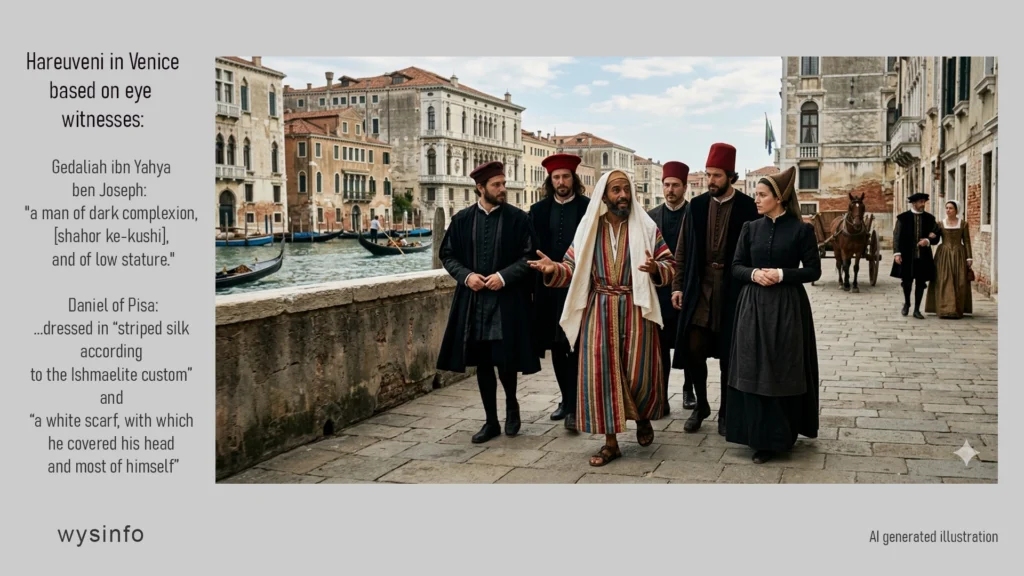
Hareuveni – First steps in Europe (illustration AI)
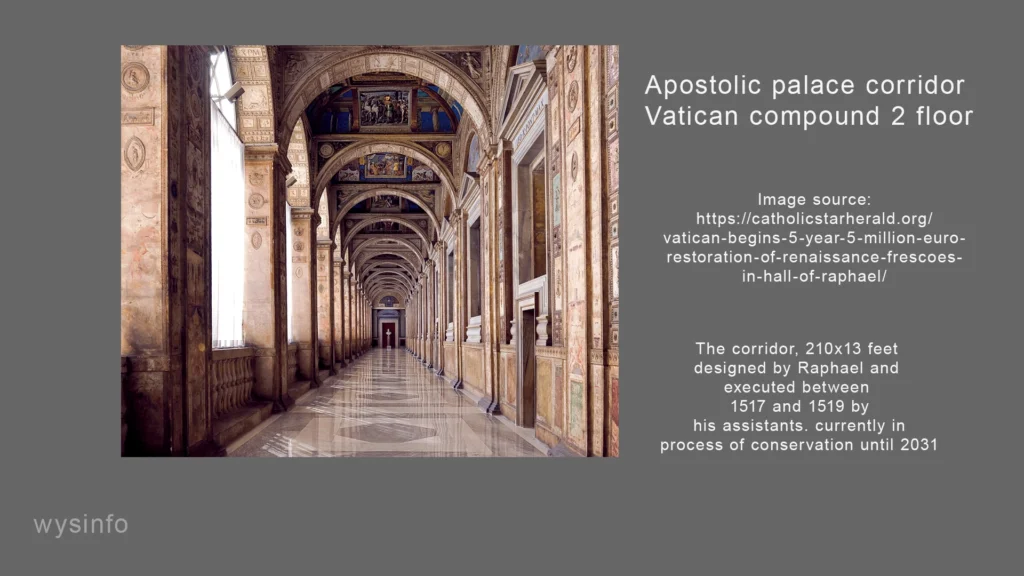
They arrived in Venice. There, with the help of his servant, Hareuveni met a Jewish man, Elhanan, who introduced him to Rabbi Moshe Kashtiltz of the Jewish community in Venice…Expand to read more... In a meeting with the leaders of the Jewish community, Hareuveni told them about himself, his origin and about his mission. He told them he was on his way to meet the Pope and that this meeting should affect all the people of Israel. He told them about the difficulties that he went through during his long journey and asked for their social and financial help. He suggested that they should send with him 2 people of the community who would witness the process and report back to the community of the good results. (Leaders of the Jewish community that Hareuveni mentions who helped him in this section were: Rabbi Moshe Kashtiltz, Rabbi Shimon ben Asher Meshulam, Rabbi Matzliah, Rabbi Yihye, Rabbi Moshe Hametzayer Tzurot.). p.151 Hareuveni convinced the Jewish community of Venice to help him. On the 1st of the month of Adar ( א אדר רפד ) he left on a ship on his way to Rome. He arrived at Pesaro and met Rabbi Moshe of Polinio. He asked Rabbi Moshe to help him to find 2 horses in order to continue on land to Rome with his servant Yosef. This was done. Hareuveni notes that from there (Pesaro), he continued for days, with different convoys and with a lot of Jews, until they arrived, half a day ride to Rome, to a place that he called Castill (nuovo). (In fact it seems like this was Castilli Romani which is located about 35 km from Rome. They actually crossed Italy from northeast along the shores of the Adriatic Sea to southwest till they arrived some 35 km southeast of Rome). The journey from Pesaro to Castilli Romani took him about 2 weeks. He arrived there on Purim (15 of Adar רפד ). There, he wrote, that he bought a bull, as ordered by the old men, and that he did what they had ordered him to do. The next day he arrived at Rome. Following is a quote from Hareuveni’s diary describing the time prior to his first visit to the Pope. “I am David son of the late King Solomon, blessed be his memory. I arrived from Habor desert to the entrance/gates of the Country/State of Rome on the 15th of the 1st month of Adar in the year רפה . There came to me a man from Venice and talked to me in Arabic, and I was very angry with him. I went to the district where the Pope is located, and I was riding on an old white horse, and my servant is in front and the Jews (from the Jewish community) came with me. And I entered the house of the Pope while riding the horse, and then Cardinal Julio entered. And all other Cardinals and Ministers came to see me and the honored wise Rabbi Yosef Ashkenazi. And I would talk to him in the presence of the Cardinal. And he would recommend [translate to the Cardinal]. And the other Jews would hear all of what I told the Cardinal. And I told the Cardinal that I had told him all in short and that I would complete my entire story to the Pope”. They stayed with the Cardinal until Shabbat eve. Hareuveni, even though he had the option to stay with the Cardinal, preferred to spend the Shabbat with his fellow Jews. He went there, praying in the Synagogue and meeting the many members of the Jewish community who heard about the rare Jewish traveler and his unique mission. p.152 The Cardinal’s messengers arrived at the end of the Shabbat telling Hareuveni that the Pope would be happy to meet him at 11AM on Sunday. On Sunday early morning he woke up and went to Mr. Moshe Tzarfati’s son-in-law. He did the morning service with many members of the Jewish community. At 8 am he went to the Pope’s house and met the Cardinal and 12 respected old Jews from the community who were with the Cardinal. When the Cardinal saw Hareuveni he took him to the Pope. Hareuveni wrote that the Pope received him nicely. He listened to Hareuveni telling him about his brother the King of Havor, about his 70 old advisers and about his mission. Hareuveni told the Pope that he was sent to ask the Pope to make peace (among the leaders of the Christian world) between the King of the Holy Roman Empire (Charles V) and the King of France (Francis I), and with Joan (João III) the King of Portugal. He asked the Pope to send them letters and request their support for Hareuveni’s mission. Hareuveni wrote that the Pope had told him that he could not make peace between the rulers. But, the Pope said, that he would send a letter to King John Pitre [Dawit II, Lebna Dengel, the Emperor of Ethiopia between 1508 to 1540 who was referred to as Prester John by the Europeans] and also to João III – King of Portugal, to help him in his mission. The Pope told Hareuveni that the King of Portugal was in a better position to help Hareuveni because the Portuguese were more experienced and knowledgeable with the (ocean) routes than those of the two Kings – (Charles V, Francis I) together. The Pope added that it would be faster to get to Havor through the Great Sea. Hareuveni thanked the Pope for his help and promised that he would do all that the Pope had advised him. He added that he would do it not for his personal benefit but for the sake of God’s Will (Avodat Hashem). Hareuveni left the meeting with the Pope with very optimistic feelings which even grew after he realized that the Pope inquired more about him and also gave orders to supply him with all his needs. The Pope also told the Jewish leaders that attended in the meeting, to pay respect and treat Hareuveni respectfully. He said that they would be reimbursed for their costs, by the Pope’s treasury. Hareuveni got a house with servants and stayed there for a while. Members of the Jewish community would visit him as well as the Pope’s Cardinals. p.153-156 While there Hareuveni got sick, this time for a few months. Boiled water and herbs made it worse. He asked to change environment where he could go to a Mikve and have a more hygienic environment. With the help of affluent Jews he moved from one house to another and ended up in the house of Rabbi Yosef Tzarfati where he was treated by his wife and daughters. They fed him, washed him and supplied him with medicine. Hareuveni’s servant got sick. Hareuveni and his hosts were afraid that it was due to a plague, so he requested to move on to another place. The doctor who visited him, Rabbi Moshe Abuderhin, took him to his own home and had his sons Yosef, Shmuel and Itzhak serve him, together with his brother’s children, Itzhak and Avraham. Moshe’s daughter got sick too. Hareuveni did not want to stay in the house as long as she was sick. Soon after she died. The ministers who, as a rule, were visiting Hareuveni, informed the Cardinal about his situation. The Cardinal gave them an order to see to it that a decent house was found for Hareuveni. This was found. A big house, managed by an old lady and her sons and daughters. It was paid for 6 months and it was renovated, by David ben Pirna and Moshe and Yehuda Kotonia, for Hareuveni and his servants (including Rabbi Eliyahu ben-Yoav, his scribe, and both Rabbi’s brothers). Except not all continued smoothly. One of the servants was a problem, as Hareuveni wrote: “… Yosef ‘harasha’ (the cruel), who came with me from Kandia, was sent to his father in Napoli. This was because he was creating fights among the other servants, trying to patronize them. He had channels to Minister Dom Miguel da Silva, who was the advisor of the King of Portugal. The servant told the Minister that the only reason that I (David Hareuveni) came, was to convert the Anusim (converted Jews) back to Judaism. The Jews of Rome came to me telling me that they wanted to kill him (the servant), and I told them not to do that”. p.157-160 Hareuveni, who wanted to keep a continuous contact with the Pope through somebody trustful, found Rabbi Daniel of Pisa. Rabbi Daniel of Pisa was a respected rich Jew, known to the Pope and his circle, wise and accepted by all. Hareuveni invited him to his place and told him about himself, about his people and about his mission. Daniel of Pisa, impressed by Hareuveni’s story, promised that he would stand by him to take care of all his needs. Daniel arranged a 2nd meeting with the Pope, serving as the translator. Hareuveni reminded the Pope of his 1st visit with him and of the Pope’s promise to Hareuveni to write a letter to King Joan of Portugal. Hareuveni also asked for letters to all rulers of the Christian countries that were along his route to Portugal. The Pope, as Hareuveni wrote, promised to do so. Hareuveni wrote that he left the meeting, happy and content. He described the Jews, whom he met in Rome, as strong and daring people that would stand on their rights and would be willing to fight for them, “unlike the Jews in Jerusalem and Egypt”, as he wrote, at those times. But not all was good. Hareuveni wrote that not all in the Jewish communities there were supportive. Some undermined him and were spreading rumors about him. They said that there was no mission behind him and that he was actually not trustworthy. They also tried, unsuccessfully, to reverse Daniel of Pisa’s attitude of aligning himself with David Hareuveni. Meanwhile, Hareuveni received the letters, which he requested from the Pope, from Daniel of Pisa. He wrote that four respected members of the community decided to copy the letters, without his knowledge, to be archived as important documents. They were caught, arrested, and even though Hareuveni was angry with them, he asked for their release, and since then, as he wrote: “They loved me more than all the ‘קק’ (Kihilat Hakodesh – the sacred community) of Rome”. p. 161 Hareuveni wrote that: “The Pope called Rabbi Daniel of Pisa and talked with him about me”. The Pope told Rabbi Daniel that he was giving me the permission to go ahead with my mission and, also, that I should come to him on the 24th of Adar 1”. “So we did, Rabbi Daniel of Pisa and myself. And we stayed with the Pope for about 2 hours”. And he told me: “Look, I wrote a letter for you to King John Pitre [Dawit II, Lebna Dengel, the Emperor of Ethiopia between 1508 to 1540 who was referred to as Prester John by the Europeans], and I wrote a letter for you to the King of Portugal too, and I wrote to all the (leaders of) the Christian countries that you will go through, that they should help and respect you for the love of God and myself (the Pope)”. And the Pope told me “to be strong and brave because God is with you” Hareuveni told the Pope as he wrote “I have (no fear of) anybody but G-D and YOU and I am ready for your command all my life, and my brother King Yosef and all my people are ready for (your command)” Hareuveni wrote that the Pope ordered to give him a protecting shield that should be given to his brother King Josef. He also gave one to Hareuveni himself. The Pope also gave to Hareuveni 100 DOCS (Ducats) of gold. Hareuveni refused to accept but was convinced to take them for his servants. Hareuveni left the meeting with the Pope happy and content. Still in Rome, Hareuveni went to Dom Miguel, the King of Portugal’s representative in the city. He asked for passage/security documents to use along the way to Portugal. Dom Miguel refused to give it in Rome, telling Hareuveni to go to Pisa, from which he will be accompanied until Portugal. Hareuveni wrote that even with the Pope’s intervention Dom Miguel denied what he requested….On the way to Rome
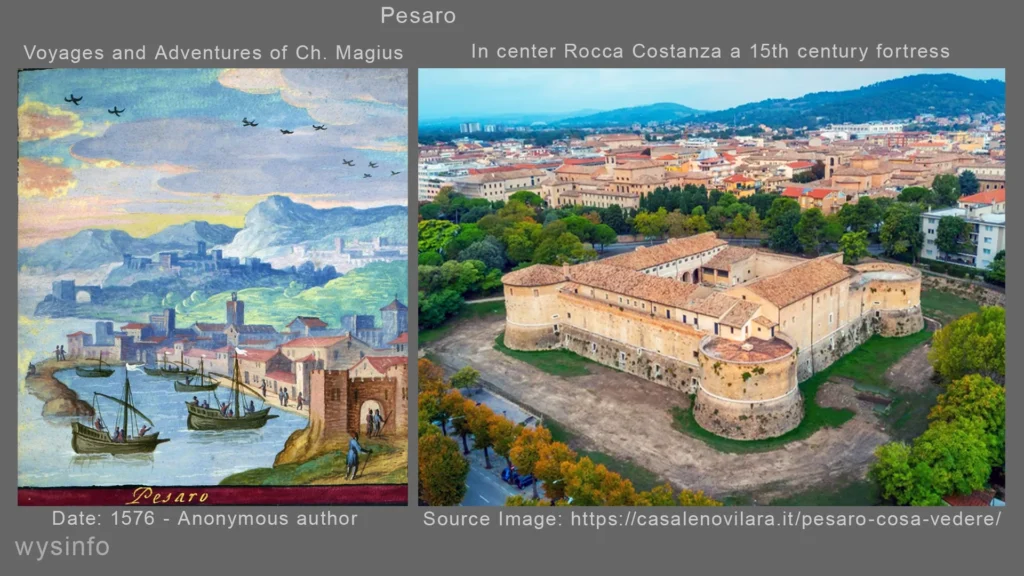
Hareuveni in Rome – 1st meeting with the Pope
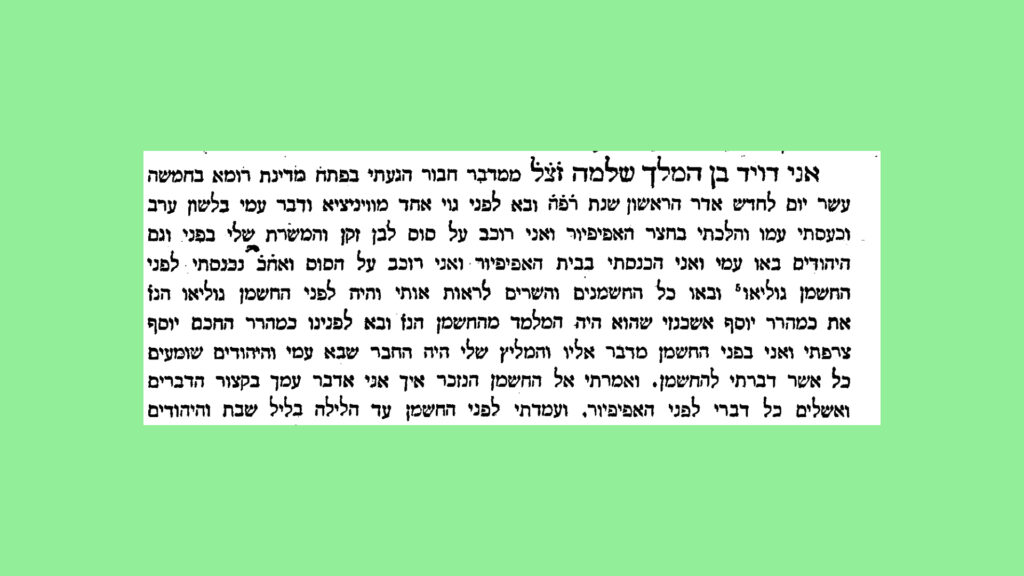
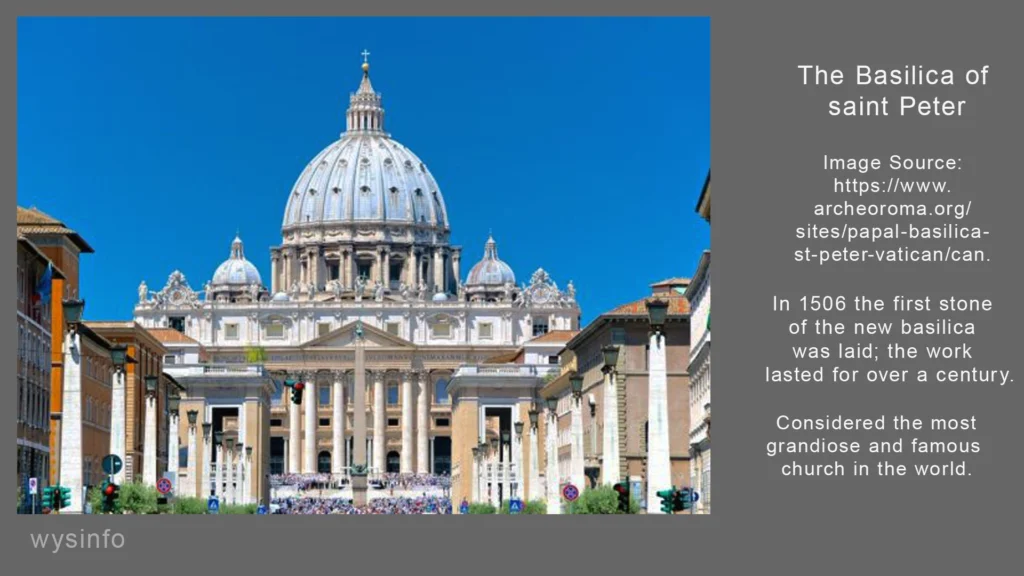
Daniel of Pisa and Hareuveni’s 2nd meeting with the Pope
Hareuveni’s 3rd meeting with the Pope
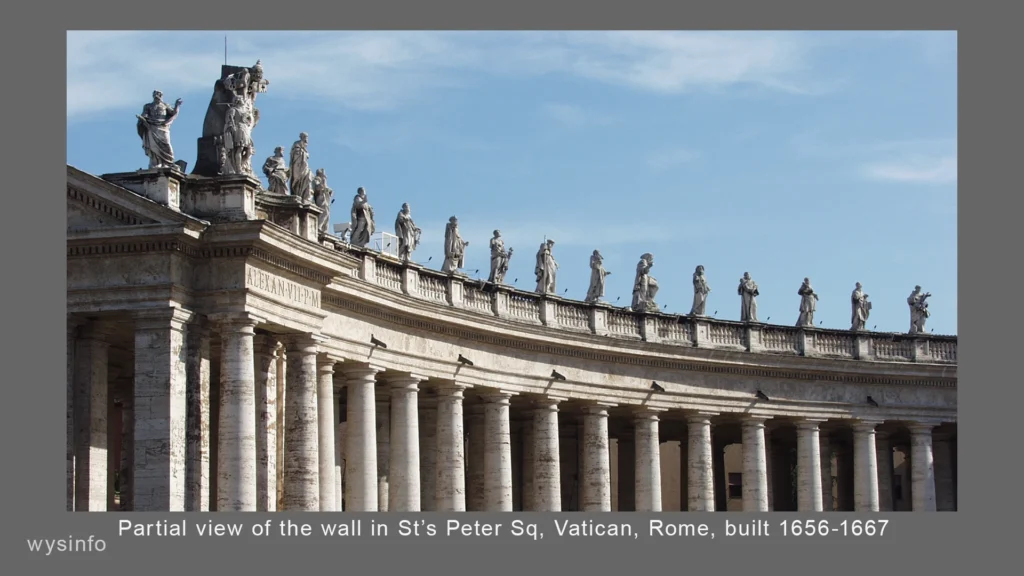
.
Europe – Hareuveni’s journey to King João III of Portugal
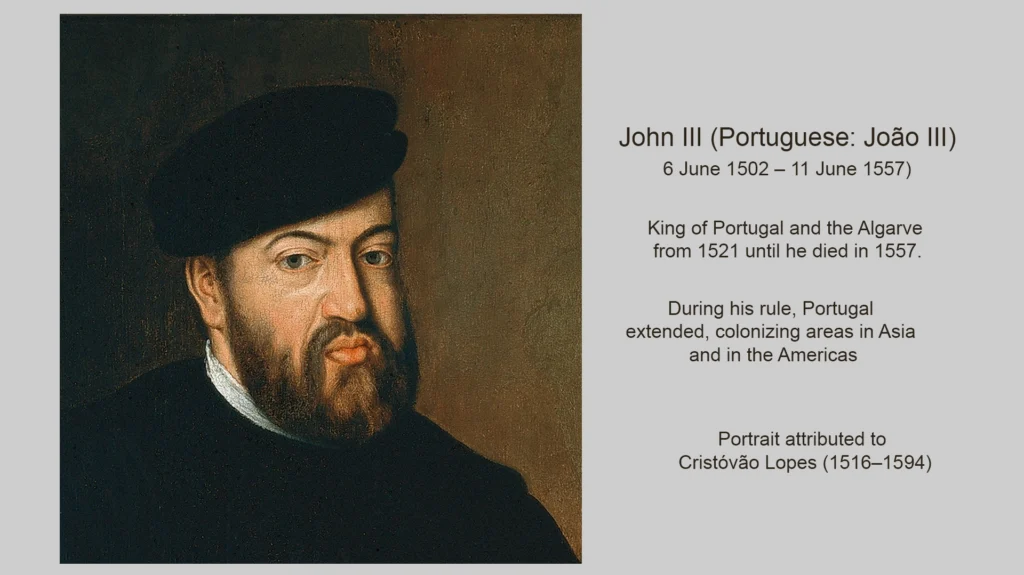
Hareuveni leaving Rome for Portugal
p. 162
Hareuveni was already restless and wanted to keep on his mission. He told Daniel of Pisa that he had made a decision to leave Rome in the middle of the second Adar, exactly one year after he arrived to Rome. He replaced some of his servants and left the city only with those that he trusted. Then he started the next part of his journey, to Portugal, to meet King João III, (King of Portugal from 1521 to 1556)…Expand to read more... Hareuveni wrote that he left Rome accompanied by a group of Jews for five miles from Rome on 30 horses. He arrived to Rontzela, (Ronciglione, some 58 km north of Rome). There, a regiment of 500 guards, from the House of Farnese, received them with a great honor, until they arrived to Viterbo (81 km north of Rome). In Viterbo, Hareuveni found a community that was not united, that experienced conflicts and bad relations among their members. He wrote that he was able to make peace among them. He kept on from Viterbo, accompanied by a delegation from the city till they arrived to Bolsinnea, (Bolsena, 133 km north of Rome). p. 163 Hareuveni spent the Shabbat in Bolsena with the respected Rabbi Yosef and his family. “And he honored us more than we deserved” he wrote. On Sunday he kept on and arrived at Siena, (Bolsena to Siena 144 km). He stayed with the respected (Ishmael Mariima) ‘May G-d protect and keep him’ . The next day he left the city and arrived at Pisa, (Siena to Pisa 125 km), to Rabbi Yehiel’s home, an honest and just man whose house was always opened to all. He praises him and his just mother more than any of those he had seen thus far in Italy. Mid p. 163 Hareuveni arrived in Pisa to find that Dom Miguel, the King of Portugal’s representative, did not arrange the security papers for him. Hareuveni stayed with Rabbi Yehiel for a few months. Rabbi Daniel of Pisa, who was not able to join the journey, sent a man named Tuvia to serve Hareuveni all the way to Portugal. Although messengers were sent to Dom Miguel, he would not send the papers he had promised to Hareuveni. Moreover he said that the King of Portugal did not want Hareuveni to come. Hareuveni did not believe him. He was disappointed, despaired and in depression. He was still being taken care of by Rabbi Yehiel and by his dedicated and warm family, mother, wife and daughter. He wrote that important people, ministers and members of the community, came to see him. He and his servants were all well taken care of with food, clothes and accommodation. p. 164 Hareuveni wrote in detail about his experience in Pisa. He became known by more and more people. Affluent people who supported his cause helped him. He kept in touch with Daniel of Pisa and met others. One of them was a converted Jew (Anus). Hareuveni asked Rabbi Yehiel to write a letter to the King of Portugal and he asked the converted Jew to go to Portugal, by ship, and give that letter to the King. p. 166 &part of 167 The more people heard about Hareuveni and his mission the more support he got. Hareuveni wrote about the Senora of Napoli, (Benvenida Abravanel (c. 1473–c. 1560)), who sent him a silk flag with the 10 commandments embroidered on it. She sent him silk clothes for his coming journey and she sent him money. He wrote that he heard about her generosity already when he was in Alexandria and how she used to pay for the release of prisoners and how she used to help the needy. He also mentioned the other just men and women who contributed to his cause. He mentioned lady Sara from Pisa who gave him a stamp of gold, and a big book of Tefilim, Iov, the book of Mishlay, and 5 Megilot (scrolls) and she wrote him not to be afraid. She also gave him the daily book of prayers. p. 167-8-part of 169 Months passed and Hareuveni got a message from the representatives of the King of Portugal, Dom Miguel and Don Martin. Don Martin described the positive reaction of the King to the message that Hareuveni was on the way to meet him. Therefore he suggested to take the big ship in Linorna (Livorno). The captain of the ship, he said, was in Rome at that time for some issues with the Pope. After that he would leave Linorna (Livorno) , on his way to Portugal. Hareuveni, based on his experience with Dom Miguel, considered him untrustworthy. He contacted Daniel of Pisa who advised him to wait and get letters directly from Rome that he, Daniel, would arrange for him. This he did and also brought from the Pope presents for Hareuveni and his people. Rabbi Daniel of Pisa and Rabbi Yehiel and more, followed Hareuveni to the ship. They supplied him with food, money and clothes. Before leaving, Daniel of Pisa and Rabbi Yehiel entered the big ship. They saw Hareuveni’s rooms, blessed them for a peaceful journey, and left. Hareuveni left on the big ship, from the port of Linorna (Livorno) for Portugal, with 4 people: Rabbi Shlomo Hacohen, Tuvia, David the Roman, and Ben Tzion. p. 169 They all left in good spirits and expectations. Unexpectedly they were confronted with difficulties from the beginning. When they arrived to an area that was controlled by the Holy Roman Emperor (Charles V), they were not allowed to leave the ship for refreshment, even after showing the Pope’s letters. The captain tried to intervene on their behalf and told them that the authorities in the land questioned the fact that he, “The small Jewish King was going to the King of Portugal”, and that they suspected that Hareuveni was going there to undermine their Emperor. “They want to come, to get you and bring you to their Emperor to give answers”. Hareuveni actually thought that it was a good sign from G-D for him to argue the case of his mission. The ship captain did not think so. He advised Hareuveni and his group to leave at midnight to the smaller ship of the King of Portugal which rested beside them. They showed the papers they got from the King of Portugal and were allowed onto the King’s ship, being relatively safer. After another court session with the Emperor’s judges they were allowed to leave. Hareuveni paid the fees for the trip up to that point, their goods were transferred to the ship owned by the King of Portugal and they were ready to keep on to Portugal. p. 170 Their 1st stop in Portugal was the port of Tavilla (Tavira, in south Portugal). Hareuveni sent, with his servant Tuvia, the Pope’s letters to the King who ordered the judge in the city to allow Hareuvini inland. The court sent 2 servants and a mule for him to come. The message about Hareuveni coming spread fast. Hareuveni wrote that when he rode along the shore on his mule, big crowds, Christian ministers and conversos [Jews who converted to Christianity], were following him. Hareuveni wrote that he was invited to stay with one of the conversos. He also mentions that the judge of the city, himself, came to visit him. Hareuveni sent another letter to the King. He was hosted by the generous converso who supplied all Hareuveni’s needs while waiting for the letter from the King. (While waiting for the King’s response, Hareuveni wrote that a man from Spain in the city started to spread rumors about him. That man told Rabbi Shlomo in the city that “we were not from the tribe of Kings, and that there was no King of Israel”. Hareuveni, full of anger with the man, attacked him in front of the cheering crowd). Some time later Hareuveni got 2 letters from the King of Portugal. The 1st invited him for a meeting, the 2nd ordered all officials to help Hareuveni with all his needs from that time on until he arrived to him. A 3rd letter was directed to the judge in the city ordering him to see that all arrangements were done instantly. p. 171 Hareuveni left Tavira. He wrote that many accompanied him for 2 parsaot (~8 Km) before they returned. He continued with 2 important figures and with servants, in total with some 30 people. Representatives of the King would go before them to arrange the accommodations in the next town. They got to Bisha (Beja). He wrote that there were people gathering on the roads already 3 parsaot (~12Km) before they arrived to the town, both Christians and conversos. All came to see who was the person who was invited by the King. They arrived and were hosted in a beautiful house that was owned by a converso. The next day they left Bisha (Beja), again, followed by many Christians, conversos and officials for 2 parsaot (~8Km). Then they arrived to a big town, Ivorea (Evora). They arrived on Friday before the Shabbat. The King had a property in the city, and a community of many conversos also lived there. Hareuveni told them all about himself and about his mission and about the reason he came to meet the King. He said: “I am the son of King Solomon, and I have not come to you with a sign, nor with a miracle, nor with the intention of exploiting, but I have been a warrior from my youth until now. And I have come to help and to assist the King and to assist you, and we will see what the path will be that God will guide me to the Land of Israel.“ And many of them would come and would kiss his hands, to the disappointment of the Christians that told the conversos: “no one should deserve such an honor but the King himself”. Hareuveni stayed in the city during the Shabbat and Sunday. On Monday he left. Officials and countless other people followed him. He wrote that just before he left there was an unpleasant incident where Tuvia, his chef, had a fight in the market with the Christians who wanted to kill him. But due to their respect for Hareuveni they forgave him. Hareuveni wrote that it was not the first time that Tuvia was creating such problems, causing anger and sorrow at great expense. He mentions that this Tuvia would even take money that was paid to the other servants. or money that was given to them by some of the affluent Jews like Daniel of Pisa, Shlomo Cohen and others. p. 172 Hareuveni wrote that, together with the many who followed him, there were officials that were sent by the King. But – not all went that well. Hareuveni wrote that among the King’s advisers was Dom Miguel, who was against Hareuveni’s mission already when Hareuveni was in Italy. Having connections to the King of Portugal, he was able to meet the King earlier, before Hareuveni met the King. Dom Miguel undermined Hareuveni and his mission with the claim that Hareuveni’s mission was affecting the new Christians, and that the result of Hareuveni’s journey would cause them to return back to Judaism. He believed this would weaken the King’s crown. While some of the King’s advisers tended to convince the King to respect Hareuveni and receive the leader that came from far, others emphasized the love and enthusiasm that the new Christians showed towards Hareuveni along the way. Dom Miguel used this as one of his arguments why the King should reject the meeting. He told the King, as Hareuveni wrote: “didn’t I tell you that this man came in order to destroy your Kingship and to convert the conversos back to Judaism?“ The King of Portugal, convinced by his people, decided to postpone the meeting with Hareuveni, for a year, using the death of ‘the old woman’ [Eleanor of Viseu – the Queen Consort of Portugal by marriage to King John II, who passed away on November 17, 1525] as an excuse, as suggested by his advisers. Hareuveni, full of anger and frustration, did not give up. He gathered the group that was with him, some 50 people and servants, on horses. They rode to the King’s castle in Al-Meirem, where the King was at that time. He waited there, in front of the castle, for 4 days before the King decided to call him. Hareuveni entered the castle with his people each armed with a sword on his thigh. The King was there with his wife. Hareuveni told them that he was tired and worn out from the long journey and from the 4 days of waiting outside. He said “ …I will not be able to talk to you this day. If you wish, we will go back today to the place that I arranged for us, and in a coming day (the next day) you and I will talk”. Hareuveni wrote that his anger at the King was so strong that “…I would not kiss his hand neither when we came nor when we left…”. p. 173 Hareuveni and his people returned to Santarem. For a few days he was occupied with administrative matters regarding his host and settling some social conflicts within some members in his group and also with some of the residents in the city. He wrote that many came to visit him including sailors who were sent to various countries by the King of Portugal. He made friends with some of them. p. 174 A few days later, the King of Portugal called Hareuveni for a meeting. When King João requested the meeting, Hareuveni came. He rejected some of the translators that the King suggested. They were not trustful, he argued. After settling, Hareuveni described his mission to the King. He also presented the letters from the Pope to the King. In spite of Dom Miguel’s arguments, the King seemed to be positive and was willing to proceed with Hareuveni’s plan. p. 175 The King asked Hareuveni to leave Santarem and move to Al-Meirem “…which is closer to me…”. The King ordered his senior minister to arrange a house that was close to the King. Then he asked Hareuveni to point at (comment about) Dom Miguel. Hareuveni did so and said harsh things about Dom Miguel and that he behaved as an enemy all through. Hareuveni also said that it would please him and his brother, King Yosef, if the King would remove Dom Miguel from being an agent between himself, Hareuveni, and the King. The King asked Hareuveni not to carry anger and negative emotions with him. The King said that he wanted to fulfill all Hareuveni’s wishes. He suggested to Hareuveni to go back to his new place in Al-Meirem, and wait for the King’s call to meet him, and then, they would discuss all matters regarding his mission. Hareuveni saw to it that those members of his group who were involved with the quarrel in Santarem, and who were arrested, would be released. He reproached them and said that they were working against the mission he took upon himself. When they raised the option of leaving, he rejected that idea and forbid them to do so. p. 176 The place supplied by the King was big enough to contain Hareuveni and all members of his group. Hareuveni wrote that it was a busy place, full with Christian and converso visitors who were supplied continuously, all through the days, with food and drinks. Tuvia, the chef, asked Hareuveni to bring a woman to help with the housework. One of the conversos from Santarem said that he could release his woman servant and brought her. Hareuveni saw in front of him a young beautiful Arab woman who he liked. Since he felt more comfortable to have Jews among his crew, he asked her if she was willing to convert. She was willing to do so and she did. Hareuveni gathered his people and told them about the new servant and demanded (requested) of them to behave decently and respectfully toward her. The first period started smoothly. The new servant helped with cooking, cleaning and the other housework. In a short time discipline became loose. Social activities stretched into the night, and Hareuveni caught Tuvia and the new servant in an intimate activity. When this repeated itself over and over again, after his warnings, he decided to return her back to her previous employer. Her claim that Tuvia forced himself on her did not change Hareuveni’s decision. p. 177 Hareuveni’s request from the previous employer, to get the money that was paid for this servant, was rejected. A man in between, an Arabic speaking person, talked to the servant woman and to her previous employer, both telling him their story including that of the conversion. The Arabic speaking man spoke also with Hareuveni, verifying the issue of conversion. Hareuveni verified. A few days later, Hareuveni received a message from the King who requested to meet him. Hareuveni wrote that in the meeting they talked about various things. Then the King said that he had heard about Hareuveni buying a women servant who was converted by him to be Jewish. Hareuveni admitted and said that he bought a Muslim servant that he converted to Judaism. The King asked Hareuveni ‘how it was done?’. Hareuveni explained that he sent “the old Shlomo Hacohen (priest), with two servants of mine, to the river, and Rabbi Shlomo entered into the water with the servant, and she washed herself, and immersed in the water three times. Then they came home and she trimmed her nails and trimmed some of her hair and I ordered and made her swear that she would not do evil and that she would be kosher and that if she would want to get married to a man I would give her to that man, and she would be free, if she would listen to me”. 178 The King listened to Hareuveni and said to him: “You did a good thing”. He said that in the Kingship of Portugal there were many Ishmaelite (Arabs). Many of them died because of hunger and plague that spread in the west (of Europe) for the last 8 years. Many sold their children for survival. Hareuveni wrote that all along the route of his journey he saw the hunger, the poverty and the death among these people, young and old, and the woman, he said, that he took as servant, was one of them. Hareuveni left the King. He returned to his temporary home to find out that his new servant woman was walking with his fancy gown, which was supplied to her by Tuvia. Some time later an important official came to visit Hareuveni. This was a dominant Minister of the King of Fes (a city in Morocco). He was sent to the King of Portugal. Then, he came to Hareuveni bringing him letters from the Jewish community of Fes, from Rabbi Avraham Ben Zimra of Safi, and from the Jewish community in Tangier. All of them respected and loved this Minister. The Minister, curious about Hareuveni, the person whom Jews in his region knew and admired so much, generated a conversation with him. He asked Hareuveni about his origin, whether many Jews lived in his country? What was Hareuveni’s purpose for coming to the west? What were the end reasons for the mission? And more… Hareuveni answered that he came from the Havor desert and that there were some 300,000 Jews. He said that his brother Yosef was the King and that 70 old men were his advisers. He said that King Yosef had many ministers, and Hareuveni himself was the Minister of the roads and of the wars. Hareuveni said that from childhood they were trained to fight, and that they did so with sword and spear and with bow. He said that they wished, with the help of G-D, to go to Jerusalem and to take it back from the Arabs, because the end of days was coming, and salvation would come with it too. Hareuveni said that he came in order to ask for experienced professionals who know how to build war machines and teach his warriors to do so. The Minister told Hareuveni that indeed, they all believed that Hareuveni’s Kingdom would be reestablished. But, he asked, when this is done what would we get from it? Hareuveni answered that whoever would help to salvage his people from the hands of the Arabs and from the Adomite Kingdom, would receive grace from his people. p. 179 Hareuveni pointed out that from the period of destruction of the temple until that time, his people, sons of Reuven, Gad, and half of the Menashe tribe were ruling in Havor. He said that the sons of the tribes of Shimon and Benjamin also ruled. They held the Nile banks areas, between the White Nile and the Black Nile, above the Kingdom of Sheba. He said that they had rich land and were ruled by King Baruch Ben Melech Yefet. He had four sons, Seadya, Abraham, Hoter and Moshe. Hareuveni said that the tribes were all aligned under the same cause. The Minister, impressed with what he heard, asked Hareuveni if he would agree to write a letter to the King of Fes. Hareuveni said that there was no need to do so and it was good enough if the minister would tell the King all about what was said between them. Hareuveni asked the Minister to send regards to the King of Fes and that he should respect the Jews in his country and that this would be a start of peace between the two people. The Minister asked Hareuveni what was going to happen with all the Jewish communities that were scattered all over the western countries. Hareuveni answered that once they (the Jewish armies and their allies), got the land of Israel back, they would gather all from where they were, and bring them to Jerusalem. And, whoever of the Ishmaelite Kings that would gather the Jews in his Kingdom and bring them to Jerusalem would receive great honor from the Jewish people. The Minister, after hearing Hareuveni’s plan, said to him that the Jews of Fes and also the Arabs there were wondering: “whether you are a prophet or a Messiah?” Hareuveni answered: ”G-D forbid. I am a sinner more than any of you. And I killed many lives. And in one day I killed 40 of my enemies. And I am not a clever man and not a scholar, and not a prophet and not the son of a prophet, only the Minister of War, and the son of King Solomon of the sperm of King David, son of Ishai. And my brother Yosef is the King of 300,000 people in Havor desert. Also, all the conversos that are under the Kingship of Portugal and also all the Jews in the Kingdom of Italy, in all the places I went through, they thought that I was a scholar or a prophet or the son of a prophet, and I told them that I was a sinner and that I am a man of war from childhood until now”. The Minister was confused with the answer. Hareuveni changed his mind and decided to write letters to the Jews of Fes and to Rabbi Abraham ben Zimra from Safi and then sent the Minister on his way with peace. END OF 1st book. p. 180-181-182 Hareuveni stayed in Al-Meirem under the King’s invitation. During that period the King did some inquiries about Hareuveni. This was no problem for the King since Portugal at that period, was a strong power in the east and the west. It’s forces reached the far east and were also in the Americas. Hareuveni wrote that Ministers from India that visited the Portuguese King, confirmed Hareuveni’s story about a rich Jewish Kingdom in Havor. The King also received letters from other rulers of areas around the source of the Niles. All of them, reassuring the truth of Hareuveni’s story about his people. Some of the letters the King received were from areas in North Africa, through Avraham ben Zimra of Safi and from Tlemcen (in north-west Algeria). Hareuveni described a very intensive activity in his house, with Christians, conversos and Arabs, coming and going, bringing letters, meeting, dining and partying. Sometimes there were bigger events with the King present. On one of the occasions the King asked his fleet captain if there were Jews in India and in Calicut (Kozhikode). The captain said that there were many Jews in Sangli some 10 days (in the 16th century) from Calicut (Kozhikode) [about 780 km distance], and that they had Kings and that they had servants. P.183 Hareuveni wrote that he met the King’s brother and that he conversed with him with the aid of a translator. They talked about Hareuveni’s journey, and about other things. Hareuveni noticed that the King and his brother would drink fresh water and not wine. Hareuveni wrote that he decided to adapt this habit too, because, he wrote, he realized it was a better practice. Hareuveni mentioned again the Señora from Napoli. He praised her for her generosity. He wrote that the Señora had one daughter in Lisbon who had a son and a daughter. And as he wrote, she was like her mother. Many of the conversos believed in her and would bless her for her goodness, excluding one Doctor who would stand and preach against her. This made Hareuveni very angry at him. With the converso Karbille’ from Tavira they were about to teach him a lesson, but, as Hareuveni wrote, the Doctor backed off. p.183 mid Hareuveni wrote that the King sent out a message to call him. When he arrived at the King’s resident, he saw 3 rooms in the house that were full of Ministers and other important people. In the 3rd room he saw the King. Hareuveni went to the King and asked whether the King wanted to talk to him at that time for an hour. The King responded that he was very much occupied. He said that he had many things on his plate including his sister’s marriage to the Holy Roman Emperor {(Charles V 1519–1556) and King of Spain (as Charles I, 1516–1556)}. The King asked Hareuveni to write all his questions and requests from the King, in the presence of two of the King’s representatives, and left the room. Half an hour later three of the King’s representatives entered the room. Among them was Dom Miguel who suggested moving to a dedicated room where they would draft the requests/questions together. They moved to the suggested room. The conflict was inevitable. Hareuveni, who had a clear sense of what content in the paper would reflect and suffice the needs of his mission, was not going to compromise for less. Very quickly there was a quarrel and a fight between them. Hareuveni left the King’s residence, refusing to write the paper, and went home. A few days later the King sent messengers to call for Hareuveni. Hareuveni arrived to the King’s home together with two others, Tuvia and David Ben Tzion. He was led into a room where Dom Miguel and other representatives of the King were waiting. The King was not there. He was told that the King was tired and that he ordered them to write all that Hareuveni requested. Hareuveni refused to write his paper to the King with them. He answered that he was called to meet the King, not to meet them. He told them that if Dom Miguel would stand before him, he, Hareuveni, would kill Dom Miguel. p.184 Hareuveni and his people wanted to leave the residence. The King’s servants locked the doors. Eventually they let them go after Hareuveni’s threat to break through. Minutes after Hareuveni arrived home, messengers from the King arrived telling him that the King wanted to meet him. Hareuveni told them that he does not want to come that day. The servants returned a short time later telling Hareuveni that the King ordered/commanded him to come. Hareuveni told them: “Go in peace, and tell the King that under no circumstance am I coming”. The servants left. Hareuveni took his horse and with two other conversos in his group they rode for a while. On the way, three other messengers found them and ordered Hareuveni to go to the King. He told them to go in peace and that he was not coming to the King. Hareuveni with his two followers kept on, they crossed a river and rode about 4 miles, then they rode back home. Two important Ministers were already waiting for him in his home, together with the translator ‘Francisco Delimoli‘ that he knew from other occasions. They asked Hareuveni to come to the King who wanted to meet Hareuveni. They said that the King said that he would fulfill all of Hareuveni’s requests. Hareuveni asked the King’s representatives to send his regards to the King. He said that he could not come instantly that day because he was sad and that he had a fever, and that all his organs ache. He told them that if the King, after the King’s breakfast, wished, Hareuveni would come at his request, and they would meet in the King’s living room. The ministers heard and left. The next morning Hareuveni was invited to the King. He arrived. Ben Tzion and the translator arrived before him. He was invited in. He wrote that the queen was present in the meeting. The King asked Hareuveni: “why after so many messengers that were sent, did you refuse to come?” Hareuveni answered: “I came from the East to the West for your work and for your love. And I went through the countries of Ishmaelite and through the lands of my enemies and I arrived in Rome, and I arrived (in Portugal) to you. And I did not ask from you neither silver nor gold or precious stones. I did not come, but to promote (extend) your Kingdom. And you did not grant me (even) one day where I could sit and talk with you about my ideas. And I left my country (isolated from my country) for many years, until I arrived here to stand before you, and you did not want to waste one day for listening to my cause?” The King asked Hareuveni to forgive him. He explained that there were many matters that he needed to take care of. One of the things was the marriage of his sister to the Emperor. The King reminded Hareuveni that he had asked him to write his requests and questions before the ministers that would update him. Hareuveni reminded the King that he had told him earlier that if Dom Miguel would stand before him, he, Hareuveni would kill him, even in front of the King himself, because Dom Miguel was an enemy to Hareuveni, an enemy to G-D, and an enemy to the King. He told the King that Dom Miguel delayed Hareuveni’s mission to the King when he was in Rome, against the King’s will. Hareuveni continued and told the King that the anger that he experienced the day before, and his decision not to come to the King, was because of Dom Miguel. “But now” (after the anger is gone), “I am standing before you”. p.185 The King told Hareuveni that Dom Miguel was his servant and his confidant, and that he, the King, trusted him. The King tried to make peace between the two. Hareuveni rejected. The King asked Hareuveni whom he would like between “you and me in order to deal with your matters”? Hareuveni’s answer was: “Any of your servants, young or old, as long as it is not Dom Miguel”. The King, busy with the matters of the Kingdom, called two of his people, one of which was a scribe, a writer for the King. He told Hareuveni to sit with them and to write his requests and questions that would be transferred to him. This was done. The King, when he received the letters, was very impressed with the pedigree that Hareuveni added to the letter, showing the chain of generations in Hareuveni’s family that goes back till King David, son of Ishai. Hareuveni went home waiting for the King’s response. In the meantime, things did not go smoothly among Tuvia and Hareuveni’s other servants. They were drinking to a point of becoming loose and behaving disrespectfully. p.186 Hareuveni became very angry and reproached Tuvia and the others. Tuvia left the house and went to Santarem. There he spread rumors about Hareuveni among the conversos. Then Tuvia took another servant with him, David Ben Tzion, and together they went to Dom Miguel telling him how badly Hareuveni treated them. They asked Dom Miguel to write them a letter, signed by the King’s stamp, which allowed them to leave Hareuveni. The conversos in Santarem were ashamed of the behavior of the two servants. They were worried of possible implications on the community. They came to Hareuveni and asked him to release the two and to send them away. This was done. p.186 Mid Some time after letting the two servants go, in the month of Adar, as Hareuveni wrote, he received 5 visitors from the towns of Safi and Zimor (Azemmour-Morrocco) in North Africa. They asked to serve Hareuveni, who was convinced to accept them in spite of Shlomo Cohen’s advice. Hareuveni wrote that he arranged full accommodations, clothes and food for them. He wrote that they mastered the Hebrew language and that they were scholars in the Bible. He appointed two of them, one from Zimor (Azemmour-Morrocco) and the other was Abraham from Safi, to go between himself, the conversos, the Christians and the King. At the beginning all went well but, with time, conflicts developed between them and the elder Shlomo Cohen. The new group wanted a better control over the administration in the house and requested Hareuveni to get rid of the old man. They also convinced some important figures in the community to support them in their request. p.187 Hareuveni was fond of his elder servant and trusted him. Shlomo was picked by Daniel of Pisa, many months earlier, to replace himself and accompany Hareuveni in his mission, while Hareuveni was still in Italy. Hareruveni tried to avoid possible conflicts among the different groups in the communities which supported him, concerned that the results could affect his mission. He decided therefore to go through a safer path by getting an opinion from a known community leader. He requested of Shlomo Cohen to write to Rabbi Avraham ibn Zimra (from Safi) asking for a letter of recommendation. He did the same by asking the new servants to bring a letter from the same Rabbi. After receiving the letters he asked the respected leaders of the community in Santarem to come. They read both letters and a decision was made – the elder Shlomo Cohen should stay with Hareuveni and the new group should be sent away. The group of servants was sent away, but not before Hareuveni called them and gave them a speech. He told them the details of his mission. He told them what his motives were. He also told them about the promise he gave Daniel of Pisa who sent, with Hareuveni, his old honest servant Shlomo Cohen. Hareuveni wrote that Daniel of Pisa told him that “…I send with you this elder Cohen who would serve you and would be with you in Portugal until the King would send you, in peace, to your country, and then, send him (Shlomo Cohen) back to me in peace”. Shlomo Cohen was to stay until Hareuveni’s mission was completed. Shlomo had to document and report to Daniel of Pisa about it. Hareuveni promised to take good care of Shlomo who would be sent back to Rabbi Daniel after Hareuveni’s mission was finished. Hareuveni told the group of 5 servants that he could not let Shlomo Cohen go since it would conflict with his promise to Daniel of Pisa. He said that his mission would be completed only after Shlomo Cohen would see the grace the King granted Hareuveni; to enter into the ships which were promised by the King. p.188 A number of days later a few conversos were arrested in Hareuveni’s house under the order of some ministers. Hareuveni requested their release. They were released by the King who also called Hareuveni for clarification of the event. Hareuveni came to the King who was disappointed. He told Hareuveni: “..I was happy that you came to help, but {I see} you came in order to convert the conversos back to Judaism. I heard that they pray in your house, and read {Bible} books day and night and that you set a synagogue for them…” Hareuveni became angry and answered: “I came from East to West {only} to help to extend your Kingdom. Kings should not open their ears to whistleblowers that do not say the truth. And all they told you are matters of lies and not true at all”. The King, listening to the angry Hareuveni’s answer, reconciled. He asked Hareuveni to stop the activities regarding the conversos as told by his ministers. Then, he continued the meeting with Hareuveni. They discussed Hareuveni’s mission and the King promised to send, with Hareuveni, war tools and ships to take them to Hareuveni’s country. p.188 Mid Charles the 5th , the Holy Roman Emperor who was married to the sister of Joan III King of Portugal, heard of Hareuveni and his mission. He sent his representative to meet Hareuveni in Al-Meirem. There, the representative told Hareuveni that the Emperor was very pleased to hear about Hareuveni’s plans and that he, the Emperor, would be happy to meet him. A few days later Hareuveni joined the King of Portugal who accompanied his sister, for a few miles, on the way to her husband. Among the followers was a man from Safi, by the name of Eldik. Hareuveni wrote that he was a strong man, handsome and looked respectable. He said that Eldik, originally Jewish, was a man that converted to Islam and then converted to Christianity. Hareuveni wrote that he was told that this man was not reliable and was mean. Back in his location, by the King’s compound, things did not work so well. Hareuveni wrote that Eldik wanted to work for him. Hareuveni told Eldik that he had heard about his dual conversions. He asked Eldik how he could trust a man that changed his religion over and over. “.. How can I trust your words that you would stay by me when you go every morning along your own path?” Eldik apologized, he asked for mercy, and swore that he wants to convert back to Judaism. He said that he would be trustful and would serve Hareuveni to the end of his life. Hareuveni reconciled. p.189 Hareuveni wrote that he was satisfied with Eldik’s service in his home. He did not accept the criticism against Eldik raised by his own servants and also by groups of Jews who came for a visit from different places and also from Zimor (Azemmour-Morrocco), Safi and Pitz (Safi and Fes – cities in Morrocco) in North Africa. Some of them generated a lot of expenses and sometimes embarrassments and he needed to intervene for them with the authorities, even with the King regarding illegal entries to the county. Some of them also had bad relations with Eldik. p.190 Hareuveni wrote that the King called him four times within two days regarding the conversos and asked him to be wise and give a good answer for what to do with them. The King also showed his disappointment in Hareuveni, telling him that he had heard about Hareuveni converting and circumcising his scribe. Hareuveni was surprised and angered and asked the King, “Is this a wise thing to hear these lies and to believe them? And to tell me this?”. “God forbid that I should do so, I did not come here, but for my mission and for my work for you”. Hareuveni returned to his home. Four days later the King called for him. Hareuveni wrote that the King was silent for a while and then talked with him about the mission and about the ships. Hareuveni arrived. The King expressed his gratitude to Hareuveni who came with the wish to help – “… but, you will destroy my Kingdom. All Christians say about you, that you converted the conversos (back to Judaism), and that whoever comes to your place – men, women and children – kiss your hands. And if you are sitting around the table, all the conversos are standing and bowing before you…” Hareuveni, furious, answered: “I came from East to West to you, and my house is opened to every person, Christians and conversos and I do not know who is what, and I cannot do anything about it until you tell me to go in peace. And you listen to the voice of the gossipers who are telling you things that are not true and all their words are lies and vain, and you believe them!” The King gave his hand to Hareuveni and asked him to promise that Hareuveni would not allow anybody to kiss his hands. Hareuveni wrote that the King promised (swore), that he would send 8 ships with Hareuveni, in the month of Nisan, with 4 thousand big and small war tools (fire injectors). Hareuveni believed the King. He went back home. At night, the King’s scribe, who secretly performed his own circumcision, came to him covertly. He was hiding in the house where the converso visitors were staying. He was hiding from the King. The man told Hareuveni what he did. Hareuveni was angry at him and reproached him. Hareuveni wrote that the man came earlier, asking Hareuveni or Shlomo Cohen to perform the circumcision for him but was rejected. He was told not to do so since it could create a negative reaction among the Christians and would endanger the community and Hareuveni’s own mission. The circumcised scribe was a respected person. His name was Diogo Pires. He changed his name to Shlomo Molcho upon circumcision. His action spread quickly among all – conversos, Christians, the ruling class and the King. It was very convenient and easy for his opponents to blame Hareuveni for that event which he claimed he had nothing to do with. p.191 Hareuveni spent the night in the country in another place. The next day he came back home to find that the King had called for him. A day after, Hareuveni went to the King accompanied with some of the King’s people for protection. There the King told him straight: “I am very busy, I have many things to do, and I cannot send the ships with you, neither this year nor in the next year. And if you want to go back to your country, go in peace, since I give you the permission, and I will bless you all days, since you came from your own country to me for my good and my help, and I cannot send you with the ships because of the things that I have to do here in the west. If you want, you can go to the Emperor (Charles the 5th, the Holy Roman Emperor) and tell him what you want, if you prefer to go back to Rome, or to Pitz (Fes). Choose what you prefer”. Hareuveny was furious. He answered the King in anger. He reminded the King of his oath to Hareuveni to give the ships on the 1st of the month of Nisan. He asked the King how he could let somebody else convince him to change his mind. He continued and told the King that he did not want to go to the Emperor. Hareuveni wrote that two of the King’s ministers attended the meeting. He also wrote that he saw an impression of dissatisfaction in the King’s eyes. The King looked at one of his ministers. Hareuveni felt the anger build in the King. Hareuveni repeated that he was not interested to go to the Emperor, nor to Pitz (Fes). He said he was going to Rome, to the Pope. The King told him to think about it for up to 8 days. Hareuveni went back to his home. Two days later the Queen of Portugal called for Hareuveni. He arrived with Yehuda, one of his people. She asked him what he felt after the meeting with the King. Hareuveni described the meeting. He told her about the King’s promise to give him the eight ships and about his withdrawal of his promise. The Queen told Hareuveni that she knew that the King was serious about his promise to Hareuveni to send with him the ships, the soldiers and the fire injectors. But, she mentioned, that the King had heard that he, Hareuveni, circumcised his scribe; that he converted conversos back to Judaism and that he also undermined the King together with them. She also said that the King’s ministers, his servants and slaves were all talking about it, and that his advisers convinced the King not to do what he had promised. “This is the reason why the King is angry with you” she said. Hareuveni answered that whatever the results of his mission would be, all would be for the good. He said that he did not come from his country to do anything against the King. On the contrary, he said it was also for the King’s benefit. Hareuveni told the Queen that he wanted to go back to Rome to see the Pope. Hareuveni asked for the Queen’s approval to leave. She sent him with peace. He left the compound, as he said, leaving the Queen in her house with her very sick son, in bed. p.192-3 The next six days Hareuveni was involved with the administrative and social matters of the people among his group. On the eighth day the King sent for him. Hareuveni arrived. The King told Hareuveni that he was about to return to Santarem. The King asked Hareuveni what decision he had made regarding his plans. Hareuveni answered that he made the decision to go back to Rome and meet the Pope. He asked the King to write him letters. First – a letter that Hareuveni could show his brother King Yosef, which would serve as a proof that he, Hareuveni, met the King of Portugal in his kingdom for his mission. The second letter Hareuveni asked for was a safe passage document that would allow Hareuveni to go through all the Christian countries along his journey back. The King promised to do so. He called his scribe – Antonio Carneiro, and told him to write the two letters that would be given to Hareuveni in Santarem. He told his scribe to write a third letter to give Hareuveni 300 ducats in Tavira. He also told Hareuveni that he would see that Hareuvini would be acompanied from Santarem to Tavira by the King’s people. On the same day the King, his wife and their sick child left for Santarem. Hareuveni wrote that when he heard of the birth of that child, he sent presents for him and for the other children of the royal couple. Hareuveni left Al-Meirem three days after the King and his wife did. He left with his servants and all his goods and was stationed in a nice house beside the river in Santarem. Hareuveni wrote that Eldik handled all the administration needed. He noticed that, again, conflicts arose between Eldik and the other people in his crew. Hareuveni, saturated and tired of the unnecessary quarrels, told them that he does not need them anymore. He added that they also got a pass from the King until Tavira and that from there, each of them would go his own way in peace. p.194 Hareuveni wrote that Rabbi Itzhak, the security man of his compound/house, came to him asking for forgiveness. He also asked from Hareuveni to write him a letter of reference since his wish was to go to Jerusalem. Hareuveni did so and wrote a letter to all the communities along the way to Jerusalem to help him. Hareuveni supplied him with money and clothes and sent him in peace. Hareuveni wrote that neither Yehuda nor Avraham asked for forgiveness. They would not talk to Hareuveni, they just picked themselves up and left. Hareuveni wrote that along their way they spoke against him. The conversos, who admired Hareuveni, would force the two away whenever they passed through their towns. Another servant that left was Yehuda Kordilia. Hareuveni wrote that he gave Kordilia money to accompany Hareuveni until Tavira. But, as Hareuveni wrote, he took the money given to him and disappeared. Hareuveni wrote that Rabbi Yehuda Piranti, the elder, remained with him. They were still in Santarem. The King’s son was still sick. Hareuveni heard a rumor coming from the person from whom he had bought a horse, that the Christians created an image of him, Hareuveni, and that they were mocking it. p. 194 Mid The conversos who were in favor of Hareuveni and his mission found the event insulting. They attacked the responsible Christians and destroyed the image of Hareuveni whom they were mocking. The authorities caught and arrested two of the conversos, who sent a letter to Hareuveni for help. Hareuveni approached the King immediately. He asked the King if he would approve activity in which Christians created an image of him, Hareuveni. And would he approve an event in which new Christians (conversos) would be arrested by the authorities because they would react against that activity? He asked the King to be graceful and kind and to give an order to release the two conversos. Hareuveni waited until the order was issued and delivered by one of the King’s servants. The two conversos were released for free. Hareuveni kept on and wrote that the King asked him about the impressive flags that he owned and what he planned to do with them. Hareuveni answered that those were the flags that represent his tribes when they go to war. The King, reconciled, said that this was a good thing. The King continued asking, was it true that Hareuveni said that if he had the power, he, Hareuveni, would have all the thieves out of the King’s land within one week? Hareuveni answered positively. The King kept on – who were those thieves? Hareuveni answered that the King should know; he said that those were the Ishmaelite servants and that this was in their nature, that during the day they would serve and at night they would steel. Hareuveni wrote that the King and his ministers were in silence, and that the King knew that it was the truth. Two days later Hareuveni was called to the Cardinal. Hareuveni came with his interpreter, (Francisco delimoli). He wrote that he was received with great honor. p. 195 After some casual talk about the flags and about the way they would be used on Hareuveni’s journey to Rome, the Cardinal asked Hareuveni the straight question: “Would you consider conversion to my religion? – And {if so} I would make you a minister”. Hareuveni answered: “{if} you make me a crow, that was sent by Noah from the boat, and never returned, this would be preferred by the angels; since I am a son of a King of the seed of David, son of Ishai, and my ancestors did not do that, and how could I, who came from the East to the West for this mission, G-d forbid, how could I do that. Since I came for the work of G-D, and I wanted to have a good name, to be praised all around the world for the ‘Mitzva’ {good deed} that I came to do, and how dare you come to tell me this thing…?” “…And I would ask you in return, would you consider converting to my religion?” The Cardinal answered: “No”. Hareuveni continued: “Better that you stay in your religion and I will stay in mine. Since you will say that your religion is the true religion and I will say that mine, the religion of Moshe and Israel, is the true one”. Hareuveni wrote that he was very angry with the Cardinal. But they kept on talking for a while through the translator that he brought and then they left for home. A day later, Hareuveni was called to the Queen. She asked him about the flags and of which path he decided to go with. He answered her. She was happy to hear his answer and she blessed him with peace on his voyage and his journey back to his country. The Queen told Hareuveni that the King had said good things about him. She said that she heard that the King wrote passes {documents} for Hareuveni to use on his way, and also a letter to the Pope. Hareuveni wrote that he asked for her permission to go and left for home. The message about Hareuveni’s leaving spread quickly. He wrote that many conversos would come to see him day and night. He wrote that they were sorry and sad, and that their children would kiss his hands in public and that G-d would ensure that no harm would be done to them (by the King). Hareuveni wrote that the King was a good man and that he ignored the informers [instigators] and ordered them not to tell the Minister of Order about what they had seen. A few days later the child of the royal couple died of his illness. A short time after that Hareuveni got the letters from the King, through ‘Francisco delimoli’. Hareuveni wrote that the letters were well written by Antonio Carneiro, the King’s scribe, on paper, and that he wrote good things that reflected great honor. Antonio Carneiro also wrote another letter, that Hareuveni would be given 300 dukats in Tavira. ‘Francisco delimoli’, convinced Hareuveni to go to the King, thank him and say a last goodbye before they left for their journey. “I will give you the letters that will be in my hands and the King will be a witness that I gave them to you” he said. Hareuveni agreed. They went to the King. Hareuveni wrote that he was somewhat disappointed with the King. He reminded the King that the Pope wrote him the letters on parchment, “and you wrote me the letters on paper. I came from East to West for you and for your sake, and these letters if written on parchment will remain as a proof and memory between us and for generations to come”. The King answered Hareuveni that the custom in his country was to write letters on paper, and that the custom of the Pope to do so on parchment “..and I did it according to our customs”. Hareuveni asked the King to be gracious and generous to him, and whether he would see that the letters would be re-written on parchment because he would like to have them for posterity. p. 196 The King agreed. He gave an order to ‘Francisco delimoli’ to go to Antonio Carneiro Carneiro the scribe who would write the letters on parchment. Carneiro refused to rewrite the letters on parchment. Hareuveni’s servant went back to the King telling him Carneiro’s answer. With the King was Dom Miguel at that time. The King told Dom Miguel to rewrite the letters on parchment. Dom Miguel rewrote the letters, except the new letters, although written on parchment, were not as respectful as the first ones. Hareuveni, again disappointed, recalled that in his country, in Havor, the elders and his brother, King Yosef, warned him of the consequences of anger. He also remembered the wise old woman at Daniel of Pisa’s home. He remembered her telling him: “I see you being angry all the time. If you remove this anger from you; you will succeed in your ways”. She gave him a big book. In the book she wrote: ”Do not get angry, do not get frightened, and you will be wiser”. Hareuveni also received the letters that ordered the officials in Tavira, once he arrived there, to give Hareuveni 300 dukats for his journey. Hareuveni wrote that his servant did not tell him that Dom Miguel wrote the letters. They were sealed and Hareuveni was not supposed to open them. Hareuveni went to the King to get his approval for the move. The King told Hareuveni that ‘Francisco delimoli’ was to accompany him until Tavira. The King also told Hareuveni that if he needed anything on the way, to let him know by writing. ...Complications rising in Pisa – Rejection vs support
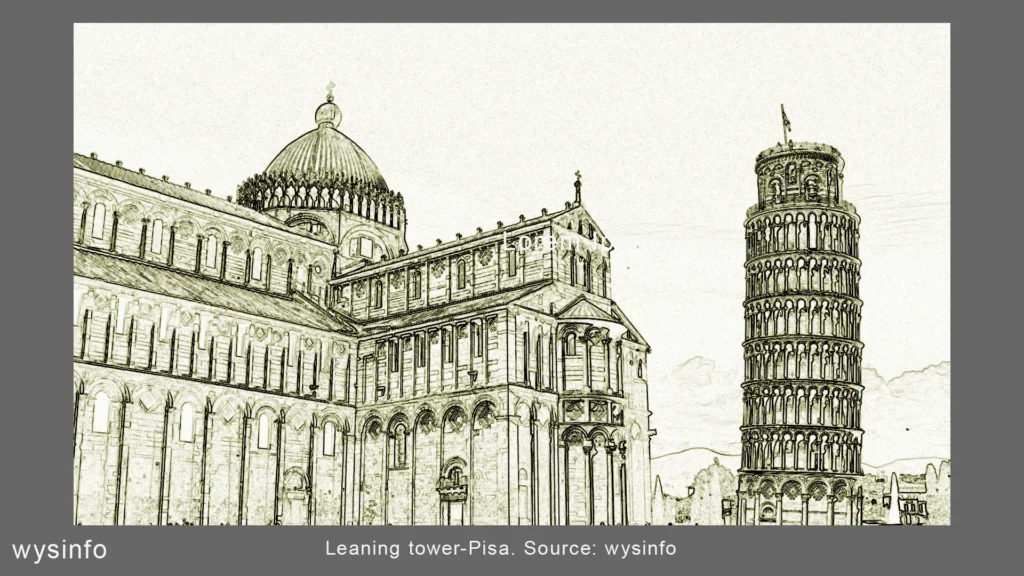
Help from Daniel of Pisa, the Senora of Napoli and others
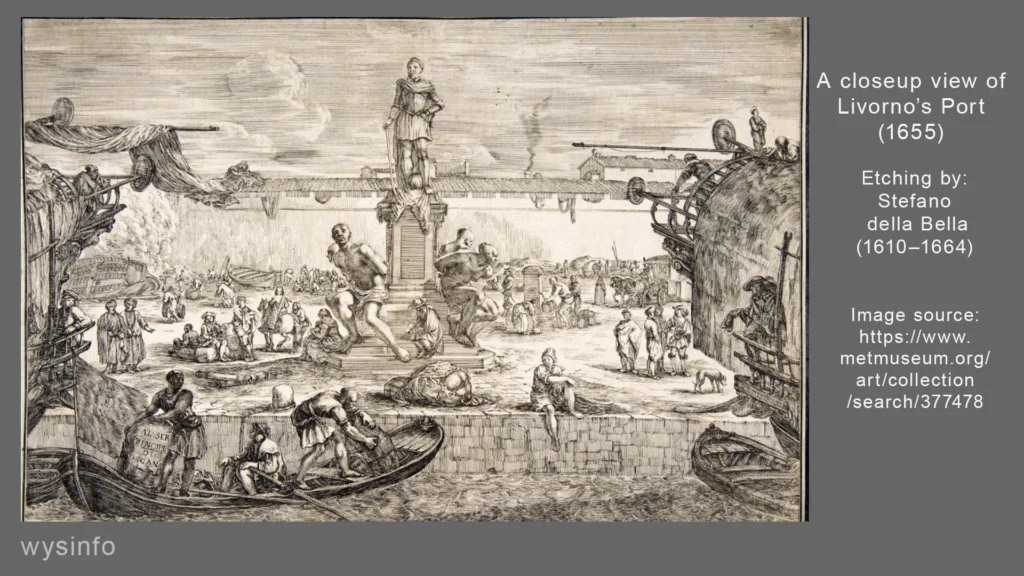
From Livorno to Portugal
Landing in Tavira – first contacts with King João III in Portugal
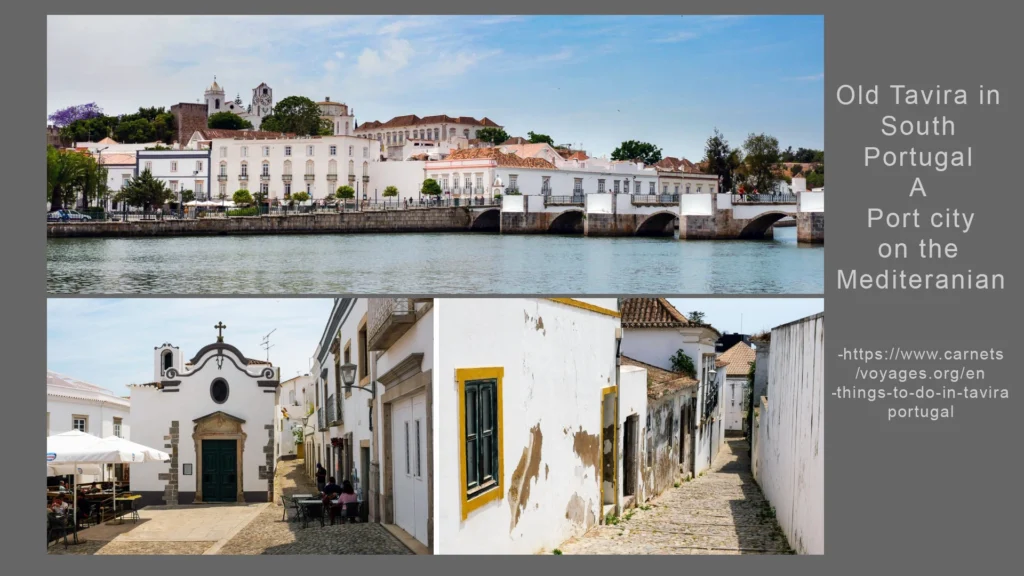
Hareuveni on a promising voyage to King João III Compound
An unexpected obstacle on the way to meet King João III of Portugal
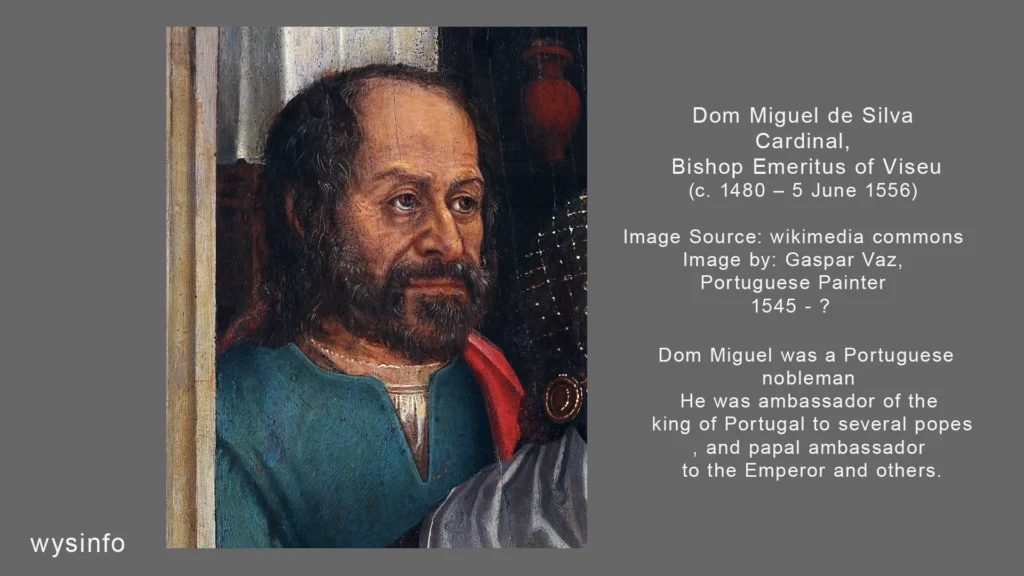
Hareuveni meets King João III for the 1st time
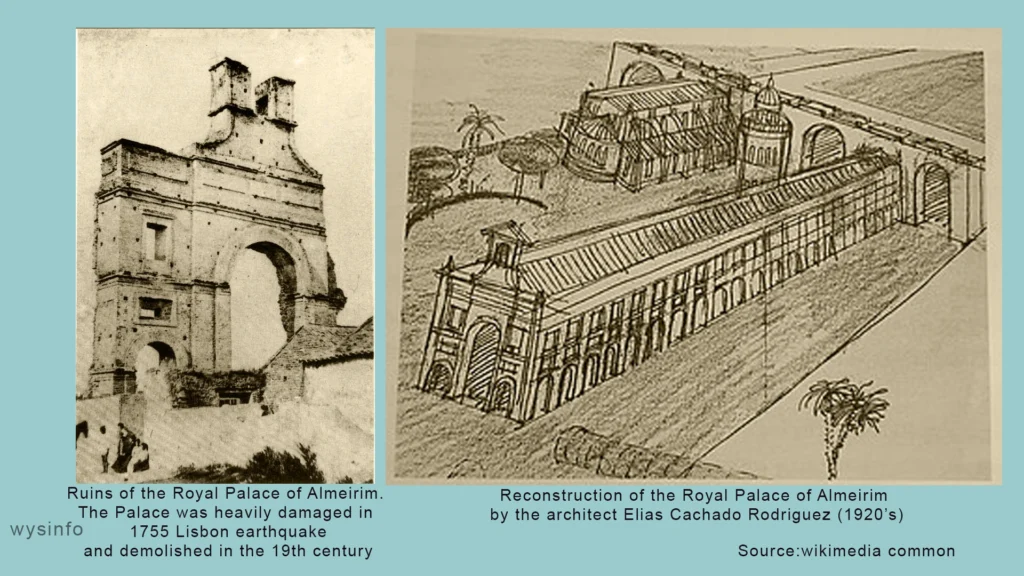
Hareuveni meets King João III for the 2nd time
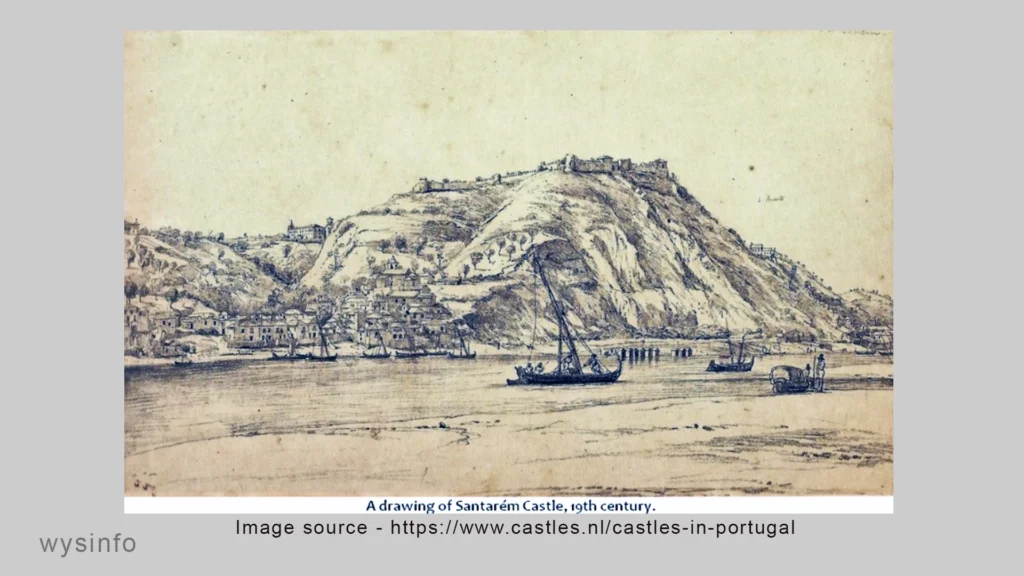
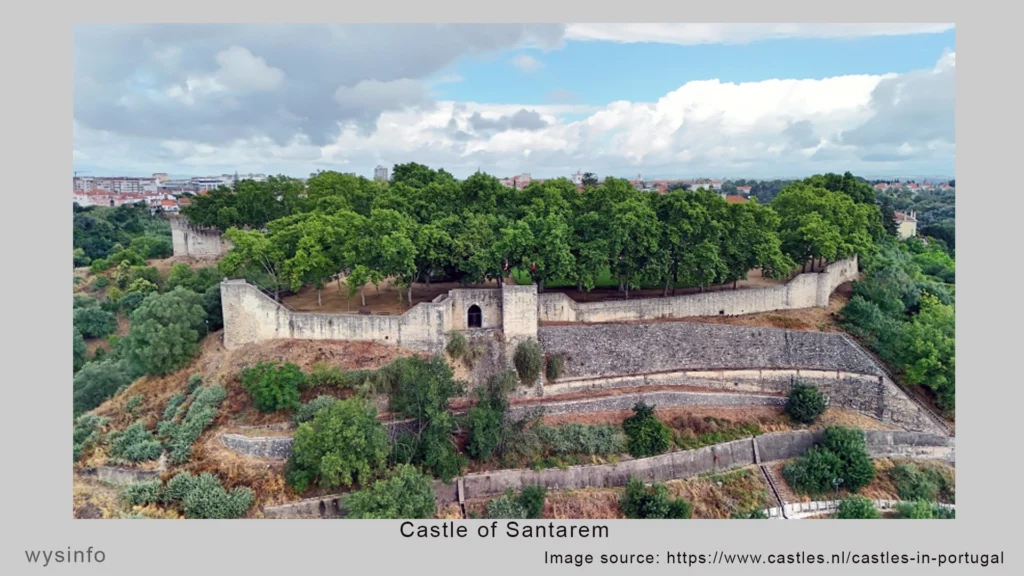
Hareuveni moved to being hosted in the King’s compound
Hareuveni meets King João III for the 3rd time
A dominant Minister of the King of Fes (city in current Morocco) visits Hareuveni
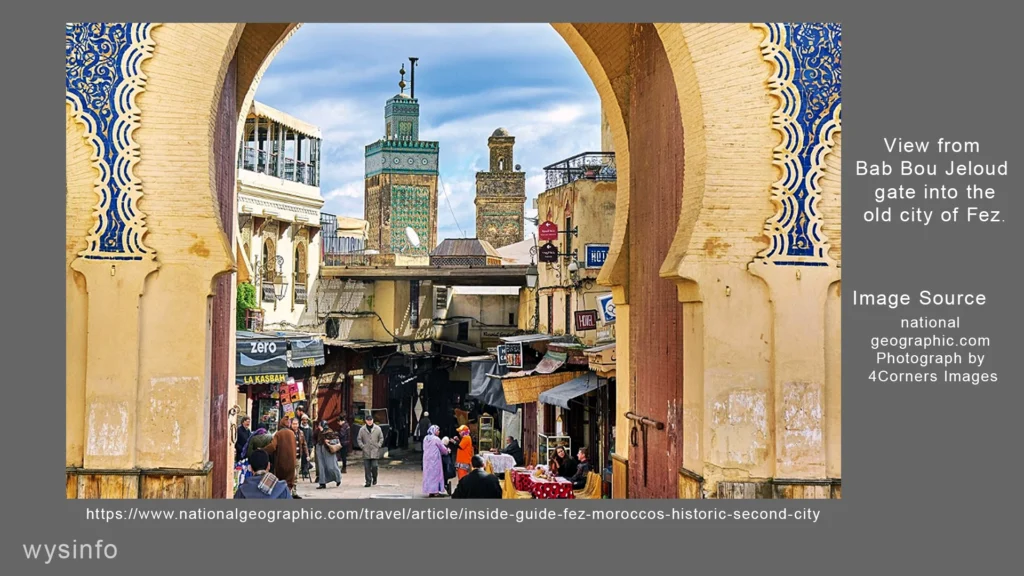
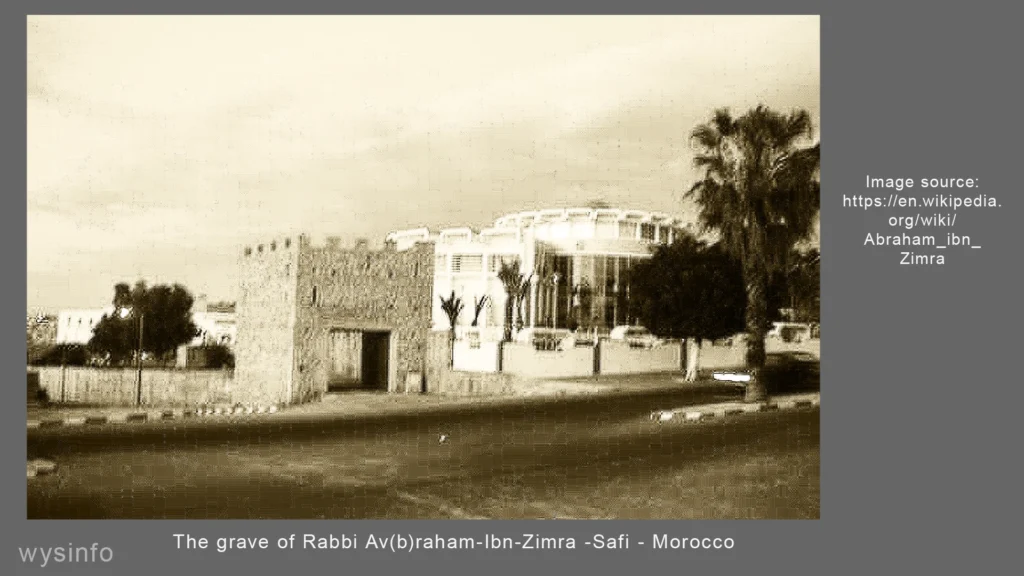
King João III inquires about Hareuveni in his colonies in East Africa and India

Hareuveni Meets the King’s brother, praises Benvenida Abravanel and criticizes her opponents
Short chat with the King (5th direct contact), fight with Dom Miguel and tension with the King
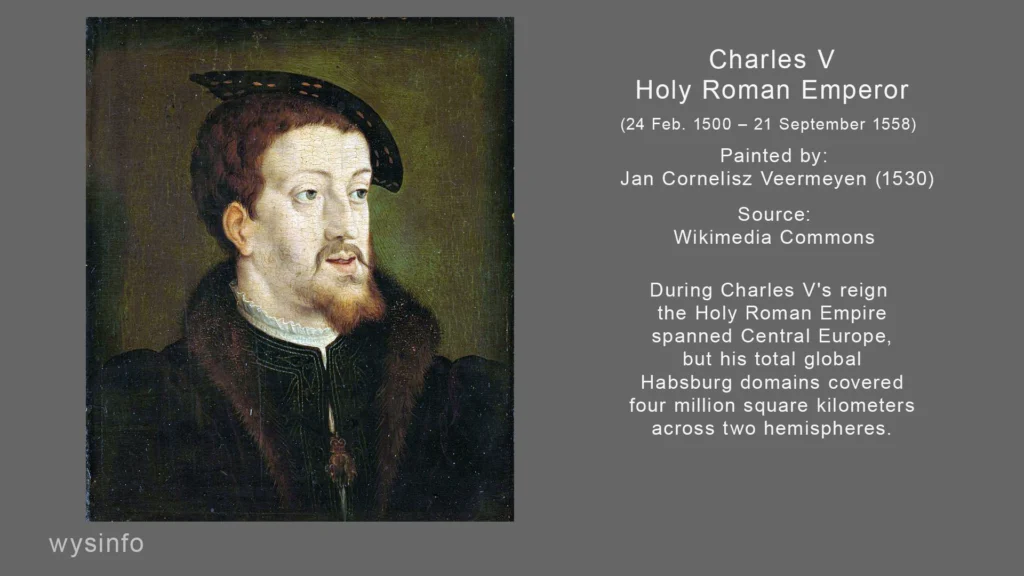
Hareuveni’s 6th meeting with the King of Portugal – potential reconciliation?
Problems from within
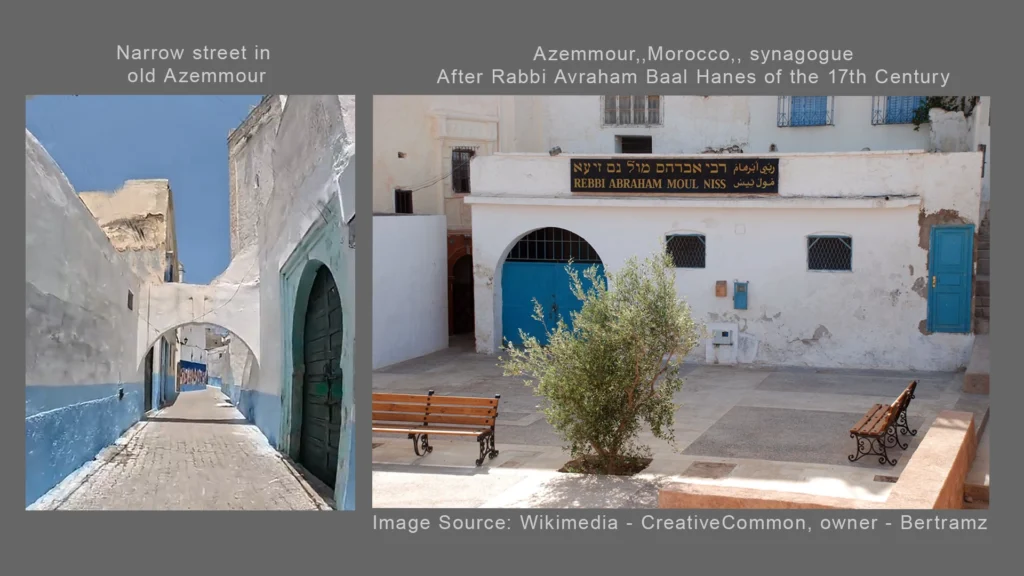
Hareuveni’s 7th meeting with the King of Portugal
The Holy Roman Emperor Charles the 5th wishes to meet Hareuveni
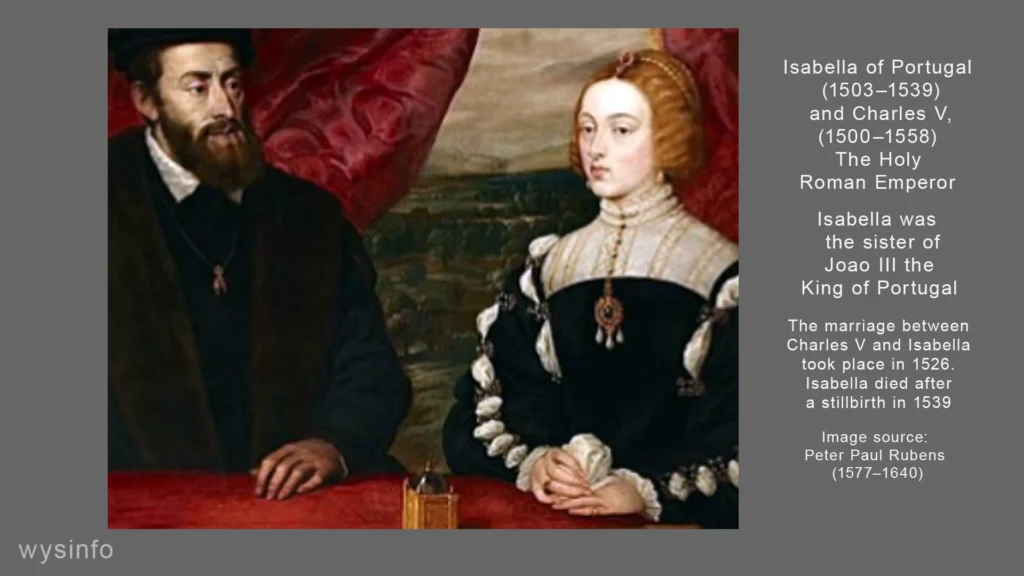
Hareuveni hires a new servant
Gradual shift in King of Portugal’s attitude towards Hareuveni – 8th meeting
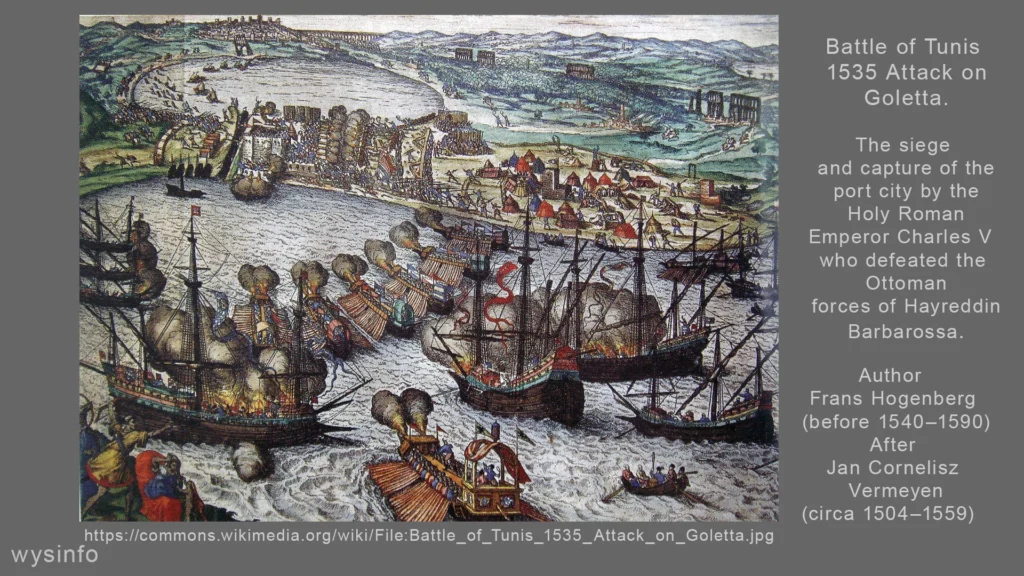
Hareuveni meets the King of Portugal the 9th time
Hareuveni meets the Queen of Portugal
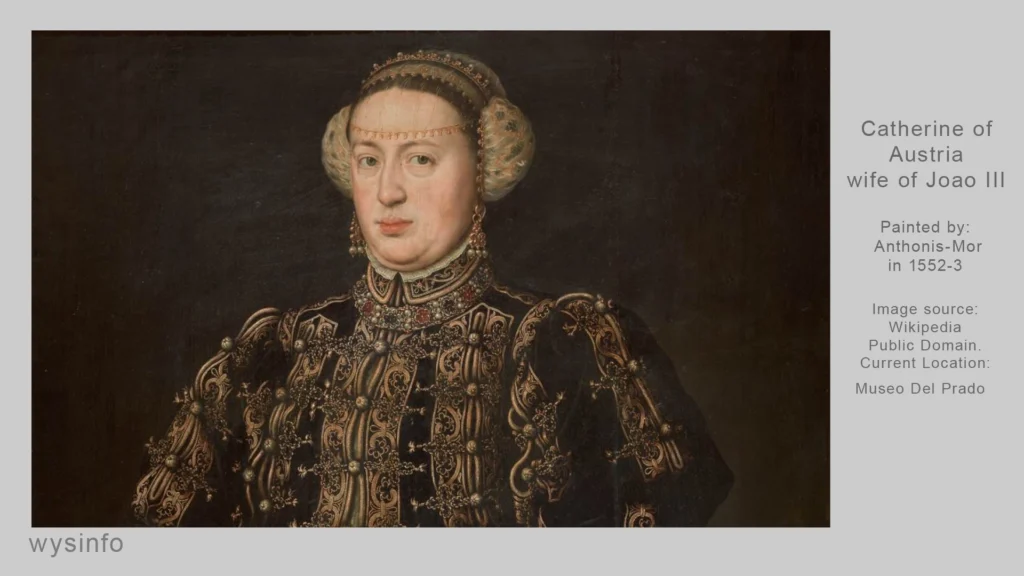
Hareuveni’s 10th meeting with the King
Hareuveni starts his journey back to Rome to meet the Pope
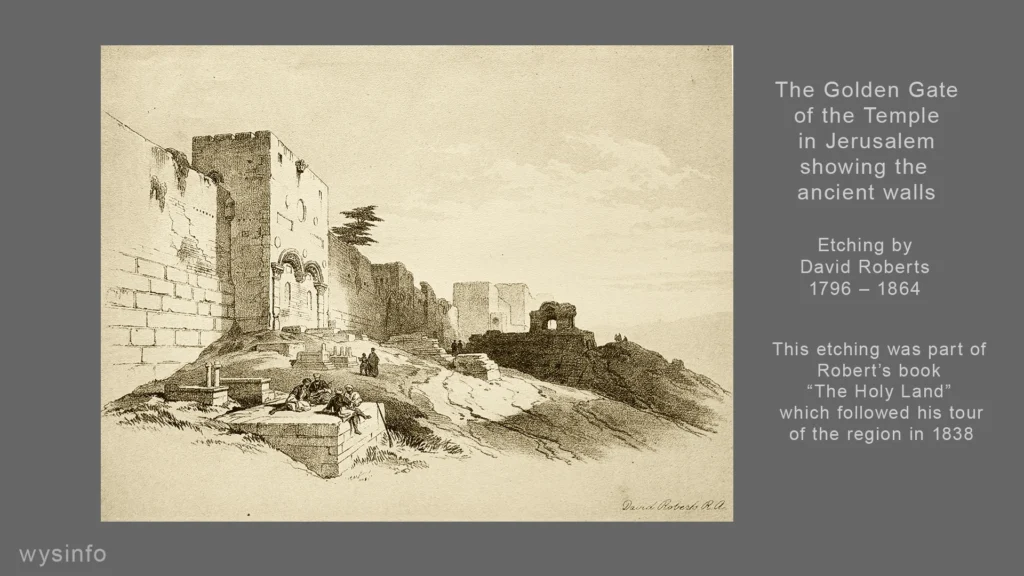
Hareuveni’s 11th meeting with the King
Hareuveni’s meeting with the Cardinal
Hareuveni’s last meeting with the Queen
Message about Hareuveni’s leaving spreads
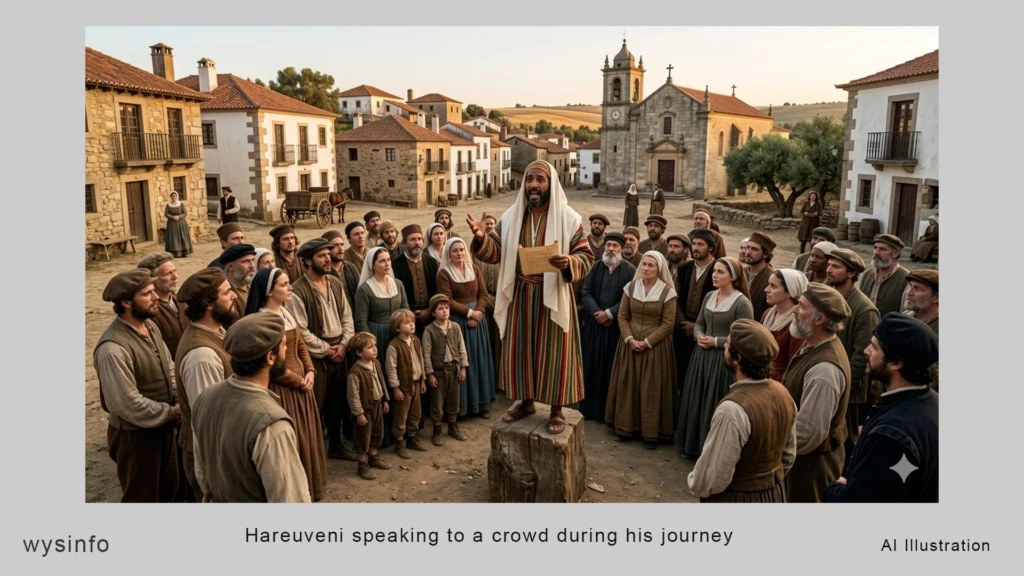
Hareuveni’s two last meetings with the King
King’s letters for Hareuveni on parchment or on paper?
.
Europe – Hareuveni starts his journey back wishing to meet the Pope again
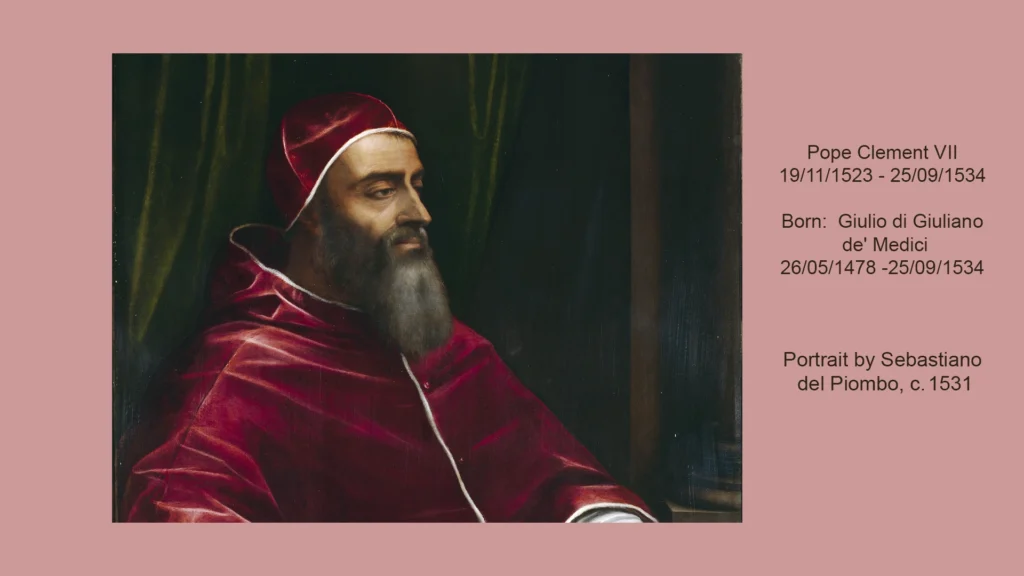
Hareuveni leaving Santarem, in frustration and anger, to Al-Meirem
Hareuveni wrote that he could not get rid of the anger that he developed against Dom Miguel who had brought him to that point. He also concluded that ‘Francisco delimoli’, was unfaithful to him and acted like a spy, telling Dom Miguel everything that he would hear from Hareuveni about the King and about other things…Expand to read more... Hareuveni left the King to find that one of his slaves had run away. He sent people to find him. The slave was brought to Hareuveni and was punished. After midday prayers Hareuveni left Santarem accompanied with 11 people and 4 mules full with their goods. ‘Francisco delimoli’ asked to return for the night to Santarem and that the next day he would meet them in Al-Meirem. Hareuveni and the others kept on and arrived in Al-Meirem for the night. p. 197 Hareuveni sent Aldika (reffered earlier as Eldik) back to Santarem to deal with administration and then kept on with his people and arrived to Coruche, a town that was populated with a small number of conversos. Hareuveni wrote that they were hosted in one house where they received much honor and respect. The conversos saw the flags and they were very impressed. He described what they looked like: some with the ten Commandments and with lions and more… At midnight Aldika arrived back from Santarem. Hareuveni was content and satisfied. In the morning they kept on. At noon they arrived at an area with forest and fields and rivers. The animals were thirsty and tired. They stopped and had their break. Six rich conversos from the area joined them. The closest town was Koimra (Mora~35 KM from Coruche, on the main road from Santarem to Evora during the 16th century). ‘Francisco delimoli’ suggested entering the town, showing the officials the passes from the King, believing that they would take care of Hareuveni and his companions. Hareuveni sent to town his trusted servant Aldika. They waited for a while. He did not come back. Hareuveni’s small convoy kept on until they arrived by the gates of the city. ‘Francisco delimoli’ went to the officials in the city and explained the situation to them. While waiting for him to return, people started to crowd around Hareuveni and his companions. There were men, women, children and babies, Christians and conversos. ‘Francisco delimoli’ returned with two officials. They organized a house for them that belonged to a converso. They set for Hareuveni, as he wrote: “a nice big room, and a bed, and a table and a chair and a lamp”. p. 198 The officials came to the room to see him. Hareuveni wrote that he was sorry about the disappearance of Aldika. He gained strength and asked them if they could send four of their men to look for him. He added that he would pay 8 ducats for the cost of these four men. The officials brought the four men who were sent out to search. Only then, Hareuveni sat to eat supper. Hareuveni went to bed in great sadness, as he wrote. In the morning he got up, washed himself and prayed. As he finished, Aldika, the missing servant appeared, with face down, answering Hareuveni’s questions. Aldika said that on his way to the officials he was attacked by robbers that threw stones at him while he was riding the horse. He ran away back to Coruche, their station the night before, where he arrived at midnight. In Coruche, he hired a man that would guide him part of the way back. The rest of the way, to Mora, he said that he did by himself alone. He told Hareuveni that he was on the way from midday the day before, through the night until that moment that he entered Hareuveni’s station in Mora. Hareuveni did not believe him. He reproached Aldika, counting the wrong things Adika had done. Hareuveni said that he told his other servants, who were also disappointed in Aldika, not to judge him before they were in his position. He told Aldika that he did not believe what they had said about Aldika, but he realized that he was proved wrong. Hareuveni paid the money for the four men that were looking for Aldika. He also asked the officials not to punish him. Hareuveni took the tools, the sword, the clothes, and the passes that he gave Aldika to show the officials in Mora. Hareuveni told Aldika to go and that he did not want him anymore. p. 199 That morning Hareuveni, with his people, collected their goods, mules and horses and continued the journey to Aivira (Evora). Aldika followed them begging Hareuveni to let him stay with them. Hareuveni refused even after intervention of his other servants. At a certain point he reconciled, letting Aldika join them until they arrived at Aivira (Evora). Hareuveni and his people stayed in Evora, with the same converso that hosted him on his way to the King. They stayed for Shabbat. A converso called Kovalie came to see him. Kovalie served Hareuveni, all the way to the King, from the time Hareuveni entered Portugal in Tavira. Hareuveni wrote that he was told that Kovalie owned ‘fire injectors’. Their next destination was Beja. Just before they left, ‘Francisco delimoli’ came to Hareuveni. He told Hareuveni that the road from Evora to Beja is dangerous; he said that they needed strong people on the way. He tried to convince Hareuveni that Aldika would suit this need since he was a strong man, and because he knew the ways. Hareuveni agreed. Hareuveni wrote that when they left, many officials came to see him. A lot of conversos came also. They were crying and sorry that Hareuveni was leaving. In Beja they were hosted by another converso. All their needs were fulfilled. In the evening many conversos came to see him. They were worried and crying. Hareuveni tried to cheer them up. He told them: “Trust the eternal G-D, that you will gain and see the rebuilding of Jerusalem… I did not come to the King in order to…bring you to Jerusalem this time, since we have a great deal of praying (now) before you {can} come. Until {only after} we get our land and sacrifice, we will come to you to bring you to a populated country. This time I did not come, but to tell you, that the deliverance is close to come” Hareuveni left Beja stopping in rural towns along the way. He wrote that some towns were populated with a small number of conversos and some with many of them. They always received him and his group with respect and took care of their needs, food and accommodations. Whenever he arrived to one of those towns, he would open the flags which impressed them all. Aldika, who changed his behavior, was positive, active and as efficient as before. Still Hareuveni was somewhat worried about him. p. 200 When Hareuveni was near Tavira, he sent Karbalie, one of his servants, to the officials, with the letters from the King. When he arrived to the city, a spacious apartment was already prepared for him and his people. Officials came to visit Hareuveni in the apartment. He was told that if he needed anything to let them know and all his needs would be fulfilled. Next day ‘Francisco delimoli’ asked Hareuveni for permission to go to the King. Hareuveni hesitated. He told ‘Francisco delimoli’ about his disappointment regarding Aldika’s last visit to the King. Aldika, he added, was supposed to tell the King that he, Hareuveni, did not get the 300 ducats promised by the King, upon Hareuveni’s arrival to Tavira. Aldika did not keep his promise to tell the King about that, said Hareuveni. ‘Francisco delimoli’ answered Hareuveni that he, himself, would tell the King about it when he would see him. ‘Francisco delimoli’ then left for his mission. Hareuveni wrote that not all Jews received him as he arrived to Tavira. He wrote that some of them came later, the second day after he arrived. Some others, from Pitz (Fes), Zimor (Azemmour-Morrocco) and Isafi, although they were in Tavira, came to see him only six days after his arrival to the city. Five of them were on their way to the King. They visited Hareuveni partying and conversing. Hareuveni wrote that he wanted to buy a very nice present for Antonio Carneiro. He did so from one of these visitors. Hareuveni also decided to give the King his own horse and all the accessories involved with it. He approached one of his quiet, honest, obeying servants, Krishtopli, and assigned him for the mission. Aldika, who heard the decision, went to Hareuveni and told him that for such a mission one needed to be stronger and a more capable man, and that he, Aldika, should be the choice instead. Hareuveni answered Aldika that he needed somebody reliable for that mission, and due to his own experience with Aldika and his behavior in previous missions he decided that Krishtopli would go. “But”, he said, “you could go with Krishtopli who would be responsible for the mission, and you would provide him with help wherever he goes”. p. 201 Hareuveni continued, telling Aldika, that If he would do so, he, Hareuveni, would help him in the days to come. Hareuveni wrote a letter to the King. He described his situation in Tavira. He wrote that he did not find a ship to go with. He wrote that he was sending his personal horse to the King with all his accessories. He asked the King to help find him a ship to go with, and he added that he did not get the 300 ducats promised by the King himself. He also mentioned that he was sending a second present to Antonio Carneiro. Hareuveni gave Aldika money for their expenses on the journey and ordered them not to ride on the horse that was going to be given the King as a present. Hareuveni approached Krishtopli and told him to be strong. He told him to give Antonio Carneiro his present. He told him not to trust Aldika, and that if Aldika goes to the King, Krishtopli should go with him. The two servants left Tavira for their mission. p. 201 mid, 202, 203 Hareuveni stayed in the city, waiting for the two to return. During that time, he was occupied with solving problems, sometimes conflicts that occurred either among his people or between them and some residents in the town. Sometimes he needed intervention of officials or a judge to settle things. Hareuveni wrote that he had good relations with the judge of the city. Days passed and the judge needed to go to the King. Eight days later another one arrived to the town. Hareuveni defined him as a mean person who was appointed by Dom Miguel . The day of his arrival, the new judge called for Shlomo Halevi, for Karbalie and for Shlomo Cohen. He asked them why the Jewish Ambasador (Hareuveni) was still in the city. “The King”, he said, “gave him permission to stay up to two months, and he is here already nearly four months, and he is here for nothing but to convert the conversos, who are in his home day and night, to Judaism”. Karbalie answered the judge that it was not true, and that Hareuveni was waiting for an answer from the King. The judge told Karblie to tell his friends, the conversos, to be wise and not to enter Hareuveni’s home. He also ordered his police force to see to it that his order was to be fulfilled. The three men left the judge. Hareuveni received the order. He wrote that there was a close neighbor, a bad man, who was a friend of Dom Miguel. Hareuveni wrote that this man was writing a letter to the King and to Dom Miguel every week, telling them about Hareuveni, his crew, and about the conversos who were coming to visit. Hareuveni wrote that he sent, with Shlomo Halevi, an urgent letter to the King. Just before Shlomo left, Krishtopli returned with a letter, not from the King but from ‘Francisco delimoli’. He got a second letter from another converso from Santarem. p. 203 Mid. Hareuveni read the letters; he read that Aldika actually betrayed Krishtopli and that he took for himself the present Hareuveni had sent to Antonio Carneiro. He took, from Krishtopli, Hareuveni’s letters to the King. He took the horse and its accessories, which were Hareuveni’s present to the King, and ran away. Krishtopli approached ‘Francisco delimoli’ asking for his help. They both started to look for Aldika, the horse and the things that were stolen. They found Aldika in a grove of citrus, trying to hide the horse. He planned to go to Lisbon and sell it there, they wrote. ‘Francisco delimoli’ took the horse. The horse’s accessories were gone. Aldika ran away. Krishtopli and ‘Francisco delimoli’ gave the horse to the King who was thankful and very happy. He did not send a letter for Hareuveni, but he told ‘Francisco delimoli’ that he would do so and would fulfill all Hareuveni’s needs. Hareuveni wrote that the King did not do so. He did not send any letter with Krishtopli. Therefore, he continued with his plan to send Shlomo Halevi to the King. Shlomo Halevi asked Hareuveni to allow Krishtopli to join him. Hareuveni agreed. He asked them to speed up because he was in a difficult situation: “You see what my position is, come back quickly”. p. 204 Hareuveni gave his messengers one letter to the King and another one to Antonio Carneiro. He requested Shlomo Halevi to get back Carneiro’s present from Aldika, and sent them on their way to the King. In the meantime, the new judge kept on accusing the conversos of wanting to convert back to Judaism with Hareuveni’s help. He also sent forces to look for conversos in Hareuveni’s home. Hareuveni wrote that, one morning, another judge came with police while he was still asleep. Shlomo Cohen entered his room to inform him. Hareuveni ask Shlomo to call Karbalie. Hareuveni asked Karbalie to tell the judge to sit and wait in the main room while he, Hareuveni, dressed. Hareuveni wrote that after washing and dressing himself, he entered the room where the judge was waiting. The judge read him a letter that was written by the King to the judge. The letter said that: “the moment you get this letter of mine, send the Ambassador (Hareuveni) [away]. If you see a ship in Tavira, he should leave on it. If you do not see a ship there, go with him to Lana/laga/Lagoa and ask for a ship to take him from there; do not let him wait”. Hareuveni wrote that he did not believe that this was an authentic letter. He asked the judge to show it to him. The judge did so. Hareuveni asked Karbalie to read the letter in Hebrew. So he did. The judge asked Hareuveni to believe that he, the judge, would not do things on his own, but only under the King’s order. “Whatever business you need to do, do it now. I am going to my home. Within one hour I will send you five mules and a horse for you to ride on”. p. 204 mid. After this, the judge turned to Hareuveni’s black servant and asked him whether he was Muslem or Christian. The servant answered that he was Christian. The judge ordered the servant to follow himself and they both left Hareuveni’s home. Hareuveni did not argue. He started to gather the things that he was going to take with him. Whatever he could not carry with him he left with Karbalie. Hareuveni wrote that he also gave Karbalie the silk clothes, which he got from Rabbi Yehiel of Pisa, for his long service to Hareuveni. He also gave money and tools to the family that treated him warmly, and that had supplied his needs in Tavira already when he arrived in the town the first time, without asking anything. The judge sent the 4 mules to carry the load. He also sent a horse for Hareuveni to ride on. Hareuveni wrote that the horse was in a very bad shape. He decided not to ride on it and actually started to walk. Hareuveni wrote that the judge heard that Hareuveni started his journey by foot since he did not want to ride on the poor horse. Hareuveni wrote that the judge came and gave him his own horse and rode back to his home on a mule. Hareuveni wrote that the day he left the town, all conversos – men, women and children – were sad and crying, as they saw him going. He left Tavira in midday. Hareuveni wrote that the mean judge appeared with all his servants. Among them, he wrote, he saw his own black servant that was taken from him the day before. With Hareuveni were: Karbalie, the old converso, the old handy man that dealt with clothing, and Shlomo Cohen. At night they arrived to Faro. p. 205 The judge insisted that they would not spend the night in a home owned by a converso, but in a house that belonged to a Christian, which they did. Hareuveni wrote that this was a respected Christian man who arranged a nice room for them and supplied all their needs. In the morning the judge told them that they were supposed to stay in that place until he found a ship for them that would take them from the town of Laga (Lagoa) Hareuveni wrote that they stayed in that house about 8 days. During that time many worried conversos from Tavira would come, asking about what was happening and what was to come. Hareuveni calmed them down, and told them not to be afraid: “Do not be worried, be strong and clever in what you do. G-D who guided me along this ‘Mitzva’ would choose for me a good way”. The judge returned from Laga (Lagoa), telling Karbalie that they should go to Laga (Lagoa) since there was a ship that was going to Livorno (Linorna). He said that he talked to the official there, who would arrange all the administration for them to go on. He also told Karbalie that he would follow after them. Hareuveni wrote that the moment he got the message from Karbalie, they picked up and left. They left in a heavy rain, with their entire load. The group contained Hareuveni. Karbalie, the old man, and the tailor/handy man. Hareuveni and his people left Faro. At night they arrived to a village by the shore of the big sea (Mediterranean). They waited in a camp besides the gates of the place. A short time after, two respected officials came to them. They told Hareuveni that they arranged for him a nice home. Hareuveni’s men stayed in the camp. He joined the officials. Indeed, this was a nice place. He had supper with Shlomo Cohen who went to the camp afterwards. Hareuveni spent the night in the apartment. In the morning he washed himself, prayed and walked out to see many people from the village – officials and women and children standing and looking in expectations, asking to see the flags that Hareuveni and his people were carrying. Hareuveni asked Karbalie and Shlomo Hacohen to show the flags to the crowd, so they did. They opened the flags, and the crowd was very impressed and praised their beauty and quality. They left with the crowd of the village following them. They arrived to the shore of a big wide river. The goods carried by the mules were loaded onto a ship. The owners of the mules got their money and left. Hareuveni and his people on the boat arrived to a town named Villa Nova. Hareuveni and his group left the ship. He wrote that it was a big town. Many people came to see them, including officials. He wrote that the mean judge ordered the officials from Villa Nova and Laga (Lagoa), not to allow Hareuveni and his group to stay among conversos. They were to stay only among Christians. That judge ordered the officials to watch and see to it that the group was not going to have any connection with the conversos. Hareuveni wrote that one official from the town came to him with his servants. The official ordered his servants to take Hareuveni and his group to a house out of the town where they could stay. p. 206 Hareuveni sent back to town the four conversos who helped them carry the load since he did not want them to have a conflict with the officials. At night he went to bed. He wrote that at midnight, while he was asleep, representatives of the officials came to check if he had conversos from the city staying with him. He did not see them – this he heard from Karbalie and Shlomo Cohen. Hareuveni told them that it was good that they did not wake him up, because if they did, he would have fought with the officials. In the morning, the officials came with mules. They gave Hareuveni a horse and they rode from Villa Nova to Laga (Lagoa). A crowd from the city followed them. They wanted to see the flags that Hareuveni was using. They were impressed and praised them. The officials guided Hareuveni and his group to a house that was owned by a Christian. They showed Hareuveni the written order from the mean judge. In it was written that conversos should not come to Hareuveni. Hareuveni said to them that there was no need for him to have neither the conversos nor the Christians. There is no difference for him whether it was a converso or a Christian. “If they would come or go I would not call them and would not stop them”. The officials heard his answer and left. Eight days later, officials came to Hareuveni and told him to take a specific ship from (Kuskaini?/ Boskaini?). That ship, they said, was to leave the next day. Hareuveni told them that he would think about it and that he would give them an answer in midday. Hareuveni wrote that after the officials left, conversos, as well as Christians, came to him advising not to take the suggested ship since whoever was in that ship were criminals. When the officials came for the answer, Hareuveni told them that he was not going to leave, no matter what, in that boat. They tried to convince him without success. They left in anger. Karbalie left with them. Karbalie returned a short time later. He told Hareuveni that he got permission from the officials to go with Hareuveni, quickly to see the mean judge, who happened to be in a village close to where they stayed. Hareuveni was given a horse, and both he and Karbalie rode in a hurry some (2 Parsaot) about 7 KM, to get to the judge. On their way they noticed that the officials were running after them with about 100 more people. Hareuveni wrote that he stopped and waited for them. As they arrived, they started to argue with Karbalie who was answering them in anger. Hareuveni wrote that he was content that Karbalie was doing the conversation and not himself. He wrote that it looked as if it came from G-d because in fact he did not want to go to the judge and that it was Karbalie’s idea. Hareuveni asked Karbalie why they had come and what they wanted. Karbalie answered that the officials wanted Hareuveni and himself to follow them back. They requested and insisted that Hareuveni would leave with the ship they decided that he should go with. Hareuveni wrote that Karbalie was afraid of the officials. They told Karbalie that he planned the decision to go to the judge, and that they actually wanted to put him in jail because of that. Hareuveni calmed Karbalie down. He said that he will bail him out if needed and agreed to go back with the officials. Anyway, he wrote, he did not want to see the mean judge again. They all returned to Laga (Lagoa). The officials separated Hareuveni and Karbalie. They put them in different houses. They told Karbalie not to visit Hareuveni. When Hareuveni sent to call for Karbalie, he did not come. p. 207 Hareuveni approached two of the officials. He asked them where Karbalie was placed. They came with him to Karbalie’s home. Hareuveni told them that Karbalie was very important for him. That Karbalie was his servant from the time he entered Portugal. He explained to them that Karbalie was not only his servant but also his translator. He told them that he was alone and did not know the language of the country. He continued telling the officials that Shlomo Cohen, another servant of his, was old and did not hear well. Hareuveni told the officials that Karbalie had been getting a monthly salary from him. He asked the officials to let Karbalie stay with him. The officials agreed. Hareuveni wrote that Karbalie returned back with him. He wrote that he got Karbalie new clothes and a new sword, and that the officials saw all that he did. The officials told Hareuveni that they agreed that he would leave the next day with the ship from Kuskaini?/Boskaini?). That night Kristopli returned from his mission, with a letter from the King. In the letter the King reminded Hareuveni that he had given him the order to leave Portugal, in peace, within two months. The King wrote: “True, I gave you permission to leave Portugal within two months and you stayed four months. And you stayed and converted the conversos back to Judaism, and I was getting weekly letters from the officials in Tavira and I know of all your activity. I saw what you did in front of me and all you did behind me. I did not want to harm you, since you told me that you came to me for your love and for my sake. Therefore, I was not listening to those who told me bad things about you. And I told you to go in peace to your country. Soon my letter will get to you. Go in peace and do not be delayed”. Hareuveni wrote that together with Krishtopli came Yehuda Parinti from Isafi who brought to him wax candles. Krishtopli brought another letter, which was from ‘Francisco delimoli’. In the letter he wrote that Dom Miguel was responsible for all the things that went wrong. The King merely signed the letters, he did not read them. All that comes to the King or out from the King, was actually from Dom Miguel. He was the one who brought in or sent out everything. ‘Francisco delimoli’ wrote that Dom Miguel sent the mean judge to Tavira. He wrote that the King was sympathetic to Hareuveni and rejected what his advisors wanted to do to Hareuveni. Dom Miguel, he wrote, was around the King day and night. ‘Francisco delimoli’ wrote that Antonio Carneiro did not want to write another letter for the 300 ducats that Hareuveni was to get by the King’s order. The King did not respond when the issue was raised by ‘Francisco delimoli’. He also wrote that the King said good things about Hareuveni when getting Hareuveni’s horse as a present. ‘Francisco delimoli’ added that he himself, could not do anything against Dom Miguel. He also suggested to Hareuveni to go in peace and not to be delayed because there were a lot of whistleblowers against Hareuveni, around the King and Dom Miguel. Many were sending weekly letters from Tavira, and the King’s anger was rising. p. 208 A third letter from Shlomo Levi was handed to Hareuveni by Krishtopli. Shlomo was sent to the King by Hareuvni earlier. He was late to return since he needed to be bailed out (for the fine he got for staying longer in the country). This was done by his relatives, conversos, who were reimbursed by Hareuveni. They also suggested that it would be better to talk to the judge rather than to do so with the King. In the letter Shlomo wrote that he made a great effort, and that he talked with the King many times but the King did not give him answers. He talked with Antonio Carneiro, and he too was not helpful. He wrote that he had a fight with Dom Miguel. He wrote that he also tried to get money back from Aldika for the accessories that he had stolen together with the horse, all with no success. He wrote that Aldika, who originally was sent to the King from Coimbra, wanted to go to Lisbon and sell whatever he had stolen there, but the conversos forced him back. He wrote that he was sending Kristopli to Hareuveni, in haste, while he was still waiting by the King, for his answer. Shlomo Cohen returned. Hareuveni went to bed. Time ticked. In the morning he went with Karbalie and Shlomo Cohen to the judge. They tried to convince the judge to allow them to leave in another boat. Hareuveni told the judge that Christians in the town were telling him that the ship he was assigned to was run by criminals and murderers, and they warned him not to dare going on it. He told the judge that the King would not be pleased if Hareuveni was to be put in danger. He asked to be sympathetic and to assign them to another ship so they could leave in peace. Another ship was found. Hareuveni felt that this one was better. The officials came to him later that day and told him that he needed to pay 200 ducats in advance for the trip. Hareuveni said that he would pay half in advance and the second half when they would arrive to their destination, Livorno (Linorna). The officials refused. They told Hareuveni that the owner needed the full amount since he needed to mend the ship. Hareuveni asked them to come towards the evening. In the meantime, Karbalie checked other options. He told Hareuveni that he found a converso who would take him for 130 ducats. He also said that that converso had a much better ship. That ship, he said, also had ‘fire injectors’. The officials came in the evening, they did not agree that Hareuveni could leave on a different ship, but only with the ship they decided. Hareuveni gave the officials the 200 ducats that were requested. They prepared a contract that the owner of the ship was to sign. It obliged him to take Hareuveni to Livorno (Linorna) in peace and that he would come back with a letter from Hareuveni that he arrived in peace. If he would not come back with a letter from Hareuveni he would have to pay a fine of 10000 Literin (Literin Unclear). Hareuveni went to see the ship. The room/hall for sleeping was in ruin. p. 209 Hareuveni wrote that he wanted it to be fixed. He paid the extra 10 ducats required. They had to stay 8 days in order to fix the ship. Hareuveni thought of sending Yehuda Piranti with an urgent letter to the King telling him all that happened to him there. He also wanted to let the King know about the mean judge that took his black servant. He did so and equipped Yehuda with a horse, clothes and money. The ship was fixed. Hareuveni was told that the mean judge was coming. Hareuveni decided to load the ship with their goods and to be in the ship when the judge came. He wrote that he did not want to be in a position where the judge would tell him to do so. Hareuveni gave permission to those conversos who helped him to go. He did not know where Krishtopli was going to go. Karbalie arranged the things in the boat. He set Shlomo Cohen and Hareuveni’s rooms and left the boat. The mean judge came with his servants and with other officials. They entered the ship looking for conversos, or for things that were not supposed to be loaded. They found nothing of what they were looking for. Then, the mean judge entered the room in the ship where Hareuveni was. Karbalie was with the judge as a translator. The judge asked for forgiveness from Hareuveni. He said that he would not have done this unless under the King’s order. He showed Hareuveni the order. Hareuveni wrote that he looked and recognized that it was Dom Miguel’s scribe. He [angrily] said to Karbalie, to tell the judge that if he, (Hareuveni) had 4 servants with him he would have taken the judge with him (as a prisoner) to his brother King Yosef, in the Havor desert. The judge turned around and left the ship. Hareuveni gave Karbalie some money and sent him off to go his way. The ship left the harbor of Laga (Lagoa). p. 210 Hareuveni wrote that he had difficulties on the way. He got sick for a number of days. He fasted for days until he felt better. He was praying from morning to the evening until he arrived to a place close to Tavira, ~4 parsaot from the end of the Kingdom of the Holy Roman Empire), close to Kashma Marina. They stayed on the sea by the harbor for about 12 days in order, as he wrote, to upload a fish for one merchant who was going to sell it in Balincha. Hareuveni wrote that during that time of waiting by the port, Karbalie came to him twice. The first time he came alone, the second time he came with his brother. Before the second visit of Karbalie, there was another person who came to Hareuveni. This was a Christian fellow whose name was Imanuel. Imanuel was a handy man who served Hareuveni in Laga (Lagoa). He was a friend of Shlomo Cohen and slept beside him. When Karbalie came to visit Hareuveni the second time, Shlomo wanted to donate some money for charity through Karbalie’s brother. He realized that some of his money disappeared. He blamed Karbalie’s brother for the theft. Hareuveni suspected that Imanuel, who already left the ship, was the thief. Hareuveni called the ship owner, told him the story, told him that it was the ship owner’s responsibility because the theft happened on his ship. He asked the ship owner to find Imanuel in the village and check if the stolen money was with Imanuel. So he did. The money was found with Imanuel who gave it back to the ship owner. The money was given back to Shlomo Cohen and he was able to donate for charity through Karbalie’s brother. Karbalie and his brother left the ship. Hareuveni wrote that, after the two brothers left, the ship owner told Hareuveni that the mean judge had ordered him not to allow anybody to come onto the ship, neither a Jew nor a Christian or a converso. The ship owner continued and said that because of his belief that Hareuveni was a respected man, he allowed Kristopli to join Hareuveni. Hareuveni wrote that they sailed close to Kashma Marina on Wedensday. For three days, until midnight of Friday, they had good wind. There were two small boats beside them. Neither the boats nor the ship had any fire injectors, he wrote. The people in the boats were crowded like chickens. At midnight, a Portuguese official ship stopped them thinking that they were pirates. The officials tied the small boats and Hareuveni’s hosting ship to the official ship. The ship owner came to Hareuveni and told him that the people in the small boats were Ishmaelites. p. 211 Hareuveni wrote that he told the ship owner that he was going to go into his room until they (the Portuguese officials) come in. He said: “I am not afraid because I trust in G-D for my salvation. I am not afraid of human beings and not of thieves. If they come to my place, I will say that I trust the G-D who fought for me and for the good of all Israel, and anywhere I go”. From midnight till the morning the boats were tied together. Hareuveni was still in his room praying. In the morning the curtains were removed from the boats. They were Portuguese boats. The wind changed direction and became stormy. In fact, the wind pushed their ship back to Almería, along the shore, close to the Holy Roman Empire territory. They had to anchor there because of the storm, through the Sabbath. On Sunday the storm was still strong. They moved and got close to Almeria, where they had stopped earlier for half a day. Officials from the town entered the ship. They told Shlomo Cohen, who served as the interpreter, that they came into the ship in order to arrest them, since there was no Jew allowed to enter the city unless there was a permission from the Emperor. Hareuveni showed them the passes that he had gotten from the King of Portugal. The officials read the letters. Still, they insisted that Hareuveni and his people would come with them to the land. There, they said, they would inform the Emperor, and they would act as he would decide. Hareuveni wrote that he told the officials that it was actually a sign from G-D. Shlomo and Hareuveni went with the officials leaving their goods in the ship. Hareuveni thought that Shlomo was going to go back to the ship the same day. Hareuveni and Shlomo Cohen were taken to a building which actually served as a prison. As Hareuveni described, they entered into a large room and in it were 4 (smaller) rooms. Each room had a door. They placed them in one of the rooms and left a guard behind the door to keep them there. The ship owner was also arrested and was locked in another room. Hareuveni asked to release him, so they did. Hareuveni also asked the officials to release Shlomo and allow him to go to the boat to take care of their goods. He was denied. In the morning Hareuveni was asked to send Shlomo to the ship and to bring all their goods. Shlomo left with some of the servants that the officials sent with him. He arrived there to realize that some of their goods were stolen. Hareuveni listed some of them in his diary. p. 212 Hareuveni listed the things that were still left and were of great importance for him. Among them were the silk flags from his brother, King Yosef, and his 70 elder advisers. These were silk flags of the tribes of Israel. Other important flags for him were: the flag related to Rabbi Daniel of Pisa, the flag related to Rabbi Avraham ben Zimor of Isafi, and the flags he got from the Christians in Italy. He also counted the gold flag that he was going with from time to time. He documented the gold stamps he had, the silverware and more. All were documented and signed by the judge. Nothing was left which was not registered. Hareuveni wrote that he was treated respectfully. On the second day of Hareuveni being held in the city, the judge sent a messenger to the Emperor in order to receive orders regarding Hareuveni’s case. On the third day Hareuveni asked the judge for permission to send a personal letter to the Emperor. He got the permission to do so. Hareuveni was also advised by the judge, who knew that Hareuveni had already met the Queen before, to write a second letter to her. In the evening Hareuveni and Shlomo Cohen wrote the two letters. The judge also wrote a letter to the royal couple. He wrote that Hareuveni was on his journey but ended back in the shore only because of bad wind. Hareuveni collected the three letters and added the passes that he got – all together these amounted to 7 letters. In the morning a messenger with the letters went to deliver the letters to the rulers of the Holy Roman Empire. The messenger left Almeira and went to Granada, to where the royal couple was going to be. The answer should come within 8 days, they said. Hareuveni, Krishtopli, and Shlomo Cohen stayed waiting in the judge’s home. P.213 Hareuveni wrote that the judge was a much respected man and originally he was of a Jewish ancestry. (“sperm of Israel”). The old Christians did not know that, and he never told them about it. Hareuveni mentioned that the judge respected them, treated them nicely and did a lot of favors for him and the others in the group. Hareuveni wrote that one day the judge asked him if Hareuveni wished that he, the judge, would give an order to remove the sails of the ship, to guarantee that it would not leave without him. The owner of the boat was strongly opposed it and said that he would rather be tied with chains in his legs than having the sails removed from the boat. Hareuveni wrote that he did not know about the plan of the ship owner to leave (secretly), in haste. Hareuveni approached the ship owner and requested from him the full 200 ducats that was paid for him to be taken to Livorno (Linorna). The ship owner argued for half the amount but also to have the ability to leave immediately. Hareuveni agreed. In the meantime, the sailors in the ship, who heard about the judge’s intension to remove the sails of the ship, left it and ran away. The ship owner was put in jail. Hareuveni wrote that he, himself, had in mind the intention to go and meet the Emperor. He also mentioned again that the judge treated them nicely and added that all the important officials of the city would come to see them. He wrote that many Ishmaelites who had converted to Christianity also came to see them. Among them, was a very important minister and a wise man. He asked Hareuveni why he had arrived from such a far-off country and what did he want from the Christians. He told Hareuveni that the end of the Christian Kingdom is coming soon. The end of the Ishmaelites’ Kingdoms were coming to an end also. He told Hareuveni that within 50 years, all the Edomites’ Kingdom would be in the hands of the King of Israel in Jerusalem. He said that all nations would go back to have only one religion. And he kept on talking for a long time. Hareuveni wrote that he just listened and would not answer at all. Hareuveni wrote about some relations he had with the Bishop of the city. The Bishop would send Hareuveni a present. Hareuveni would visit him giving the Bishop respect and a present and so forth. That Bishop was more powerful than other officials and he was managing the other judges in the county. Hareuveni wrote that he also sent the Bishop a nice present with Shlomo Cohen. Hareuveni wrote that 5 years earlier a strong earthquake occurred in the city. Many of the houses were destroyed. There was a huge noise, and with it a strong voice saying that the noise was from Jerusalem. The voice was so strong that it was heard everywhere, and nobody knew who was talking. Meanwhile the answer from the Emperor came with the messenger on the 12th day. In the stamped letter of the Emperor he ordered to let Hareuveni go through his Kingdom, on earth or on sea, and that nobody should stop or bother him. The Emperor wrote in his letter that all should respect Hareuveni and his people and should help him with accommodation and with everything he would need. The messenger said that he saw both the King and the Queen, who was about to give birth. They were all worried about her. In fact, she gave birth successfully to a baby girl, he said. p. 214 Hareuveni wrote that he sent many presents to the Queen which he had bought weeks earlier in Laga (Lagoa). He wrote that many things that he had bought, hoping to carry him till Livorno (Linorna), were left in Almeria, with the judge. He wrote that he waited till the messenger, who was sent urgently with the presents to the Emperor and the Queen, would come back. Then he got 4 mules and bought another one from the judge, loaded them with his goods, and released the ship owner. Hareuveni wrote that Shlomo Cohen left before him. Hareuveni himself went to the Bishop to say goobye. The Bishop offered Hareuveni his servants for help. Hareuveni thanked him for his generosity, but gently rejected the help offered. It was early evening and the judge, with his officials, accompanied Hareuveni for one and a half Parsaot (about 6 km.). He ordered two of his people to accompany him till the gate of the town, in order to see that the gates are not closing on them. Once out of the city, they kept on till they found a camp in the woods, where Shlomo and the others were already camping. The next day they kept on till they arrived to a town named Sorbas. This was a town that most of it’s population was Ishmaelite. They kept on and found there Christians. All of them, adults and children, knew the language of the Ishmaelite. They were poor. Hareuveni spent the night in that camp till the morning. The second day the people in that camp did not want Hareuveni and his group to stay there anymore. It was their property they said. An official from the city beside them came and told Hareuveni that he was willing to fulfill any of Hareuveni’s requests. Hareuveni accepted the offer and he took one sheep and many chickens for the people of the city so they would eat and break their hunger. The people of the city, the Ishmaelites, came to Hareuveni, kissed his hands and were happy with him. Hareuveny wrote that he approached the judge from that city consulting with him about what to do with the ship’s owner. He was afraid that the ship’s owner would run away since Hareuveni saw to it that he was arrested. Hareuveni said that he took a mule for the ship’s owner to ride on till they would get to Kartina (Carmona). The judge asked whether Hareuveni was interested in a strong guide who would see to it that the ship’s owner would not run away. Hareuveni agreed and said that he would pay the guard his fee. The judge brought the guard and told him to see to it that the ship’s owner would not run away, because if he would, the guard would have to pay 200 ducats fine. Hareuveni and his group left Sorbas. Things went well. The guard fulfilled his job efficiently. Hareuveni wrote that the guard would follow the ship’s owner even when he wanted to ‘drain his system’. They kept on. In the evening they arrived to a town where all the population were Ishmaelites who converted to Christianity. The name of the town was Purka(?). They slept there at night. They left in the morning and arrived to Lorca which was a big town according to Hareuveni. They stayed there for a couple of days and left on Friday morning. Their next stop was Albaneim (Most probably in the city of Murcia, located about 70 Km. from Lorca, Hareuveni’s previous stop. The place was famous for it’s hot water baths since the Roman Period. The thermal springs of Al-hama de Murcia are preserved at the Archaeological Museum of the Baths – Museo Arqueológico Los Baños, – located right in the town center.) They stayed there for the Shabbat. p. 215 On Sunday they left the city and approached the town of Cartagena (48 km. from Murcia). Hareuveni sent 3 men of his group to look for a big descent home for them. They came back telling him that they found a beautiful house available for them. Hareuveni and his group entered the town and stopped at the apartment. Indeed this was a beautiful apartment, except, he wrote, it belonged to a prostitute. They decided to stay anyway. They started to unpack and the woman was watching them closely. Hareuveni asked Shlomo Cohen to always keep an eye on her and to watch their things since (he felt) she was a bad woman. Still, one day, wrote Hareuveni, that woman entered his room, where his personal things were. She opened the lock to his case and stole expensive clothes that he stored there, passing them through the window to her cleaning woman, and left the room. Shlomo entered the room shortly after. He saw the case opened and without a cover. He checked with the owner and with the staff. He also checked with the guard man, the member of his group whom he suspected. When Hareuveni came, after his praying, he saw the angry and frustrated Shlomo. Hareuveni heard the story. He immediately suspected the owner of the house. He approached judges of the city, told them the story and requested that they investigate her. So they did and the stolen goods were returned. In the evening they sat for supper. Many important people came to visit them. The guard was on duty there. The next day, Hareuveni saw that the ship’s owner tried to run away. He was caught and was put in jail. Judges from the city came to Hareuveni to discuss the matter. Hareuveni showed them the stamped letters from the Emperor and the letter from the Pope and the one from the King of Portugal, and other documents that he got and held with him. Hareuveni wrote that when they saw those papers their respect for him grew more. Hareuveni wrote that at mid day of the next day while the city judges were visiting him, another judge came. That judge said to Hareuveni that he wanted to arrest all the Jews. Hareuveni showed the new visitor the recent letter that he got from the Emperor. The judge wanted to confiscate it. Hareuveni pulled it back and held it. A number of days later, the new judge claimed that he got a letter from the chief investigator of the Emperor to nevertheless arrest all the Jews. Hareuveni wrote that all the judges he knew were against this decision. The new judge did not agree with them and said that he wanted to send a letter to the top investigator who was in the city of Murcia. He said that he would tell him about all the letters and passes that Hareuveni got from everyone. Meanwhile, he ordered not to allow Hareuveni and his people out of the house and also ordered two guards to apply his order. Shlomo Cohen wanted to go out to buy food from the market. The doors were locked and guards were behind the doors. p. 216 Hareuveni heard that and became very angry. He wrote that he was looking for something to break the doors. Krishtopli suggested trying another way to go out instead of breaking through the doors. They found a way out. Hareuveni wrote that he saw the two guards in front of the house and that the new judge was with them. He also saw many Ishmaelites around. Hareuveni wrote that he approached the people and told them: “Look how this judge ignores the order of the Emperor and the Pope. And he violates the Emperor’s orders. The Emperor gave an order to all people of his Kingdom to respect me on land and on sea, and this one (the judge), closed the door on me and wanted to arrest me, while I have with me the order of the Emperor. And this day I want to send a messenger to the Emperor, and I will write to him all of the things that this judge has been doing to me, even if it costs me 200 ducats of my money, and we will see the end results”. Hareuveni wrote that the judge told him that he would not arrest them until he would get an answer from the top investigator of Murcia. He asked Hareuveni to go back to their home and stay behind the doors where the 2 guards were. Hareuveni agreed. He asked the judge to allow Shlomo to go to the market to buy food. Hareuveni wrote that he went back as requested. He wrote that the judge and his people stayed in the house, sleeping on the floors, letting Hareuveni and his group sleep on the beds. He felt that they were sorry for what was happening. Hareuveni wrote that he and Shlomo Cohen had no worry or fear of them. The messenger to the top investigator returned in the morning. He said that his answer was that they could sit and stand……..Almeirem to > Coruche > Koimra (Mora) > Evora
Evora > Beja
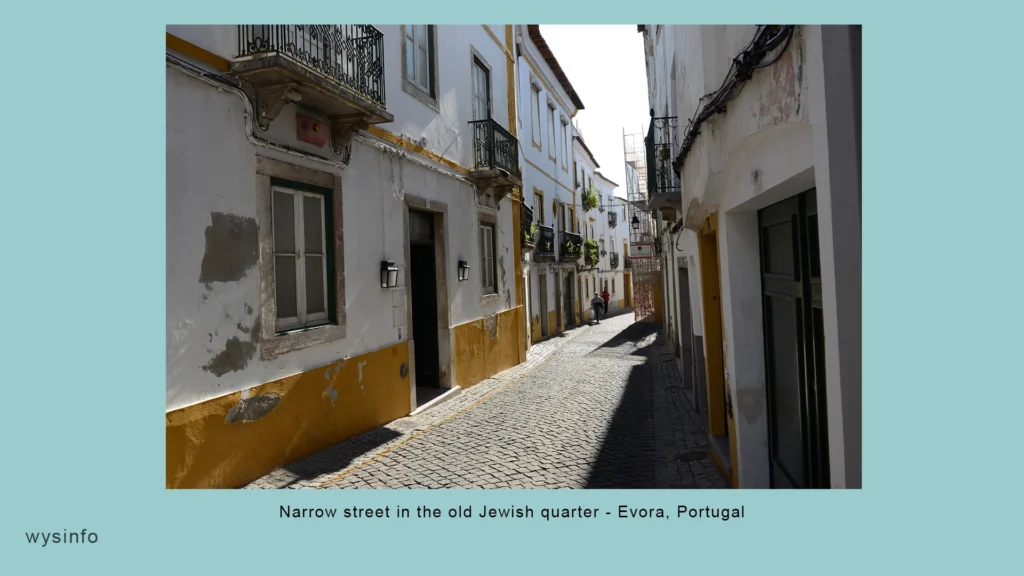
Beja > Tavira
Hareuveni sends ‘thank you’ presents and a letter to the King
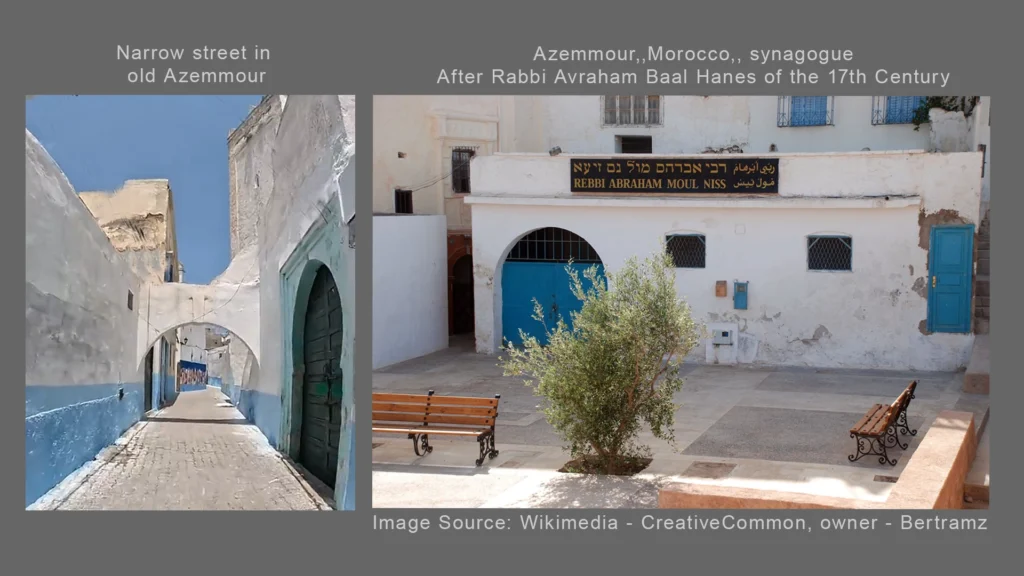
Hareuveni experiences disturbing problems while waiting for his messengers to return from the King
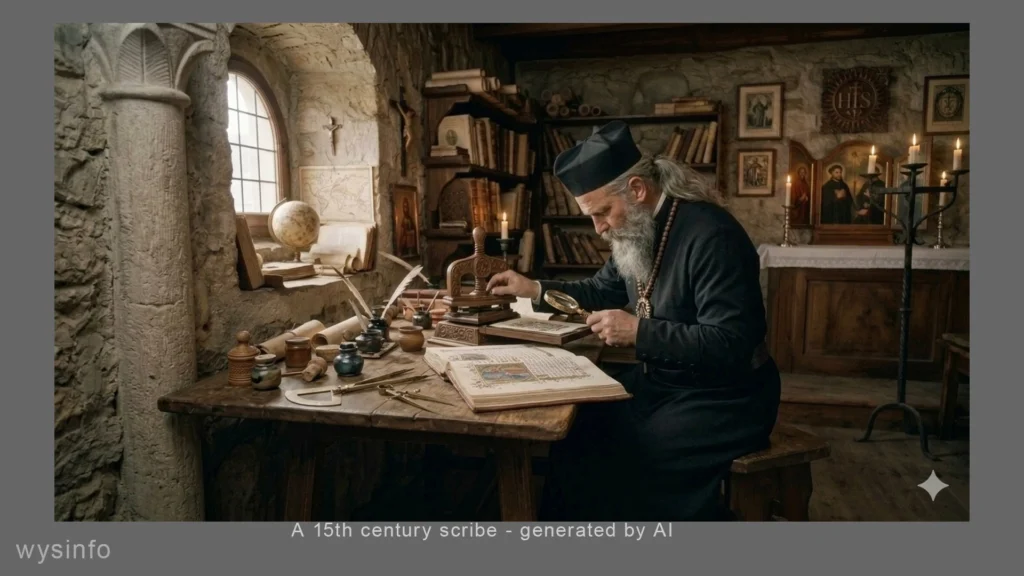
Hareuveni’s servant taken by the judge – Hareuveni was ordered to leave the city within one hour
Hareuveni leaving Tavira and arriving to Faro
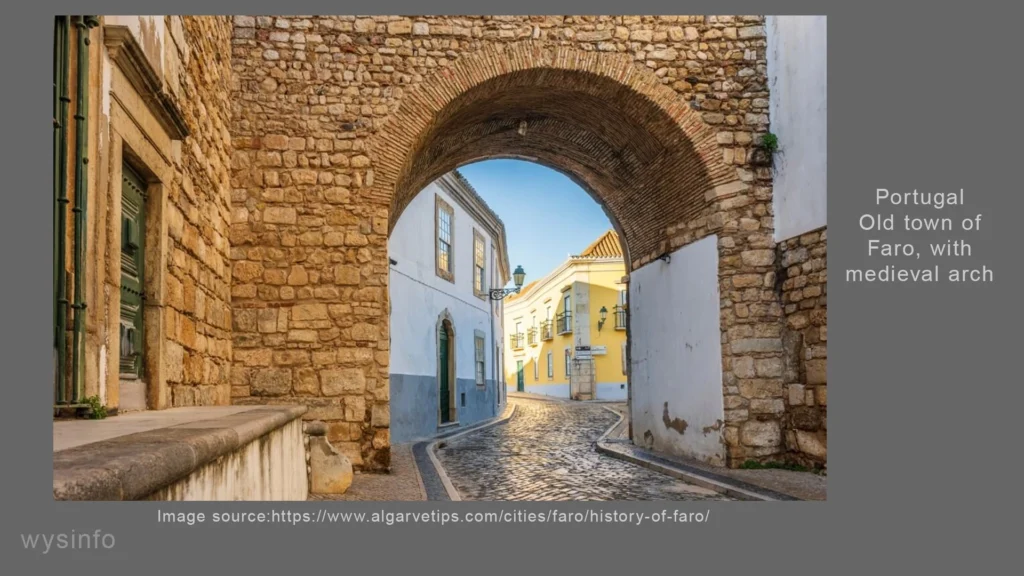
From Faro to villa Nova with night over in a village in between
From Villa Nova to Laga (Lagoa) where Hareuveni refuses to leave in a broken ship
Hareuveni and his servant Karbalie separated
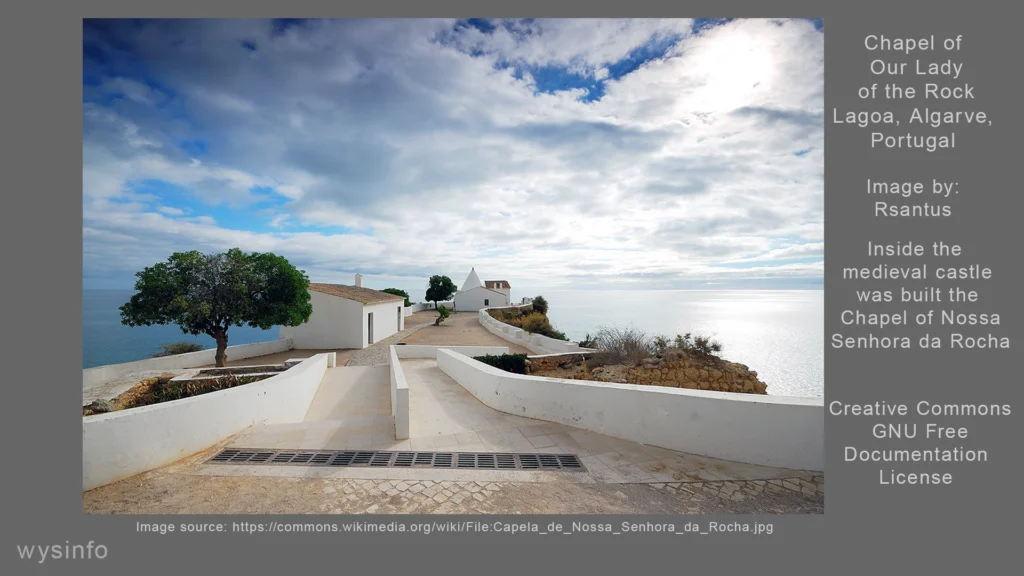
Hareuveni receives 3 disturbing letters – from the King, ‘Francisco delimoli’ and Shlomo Levi
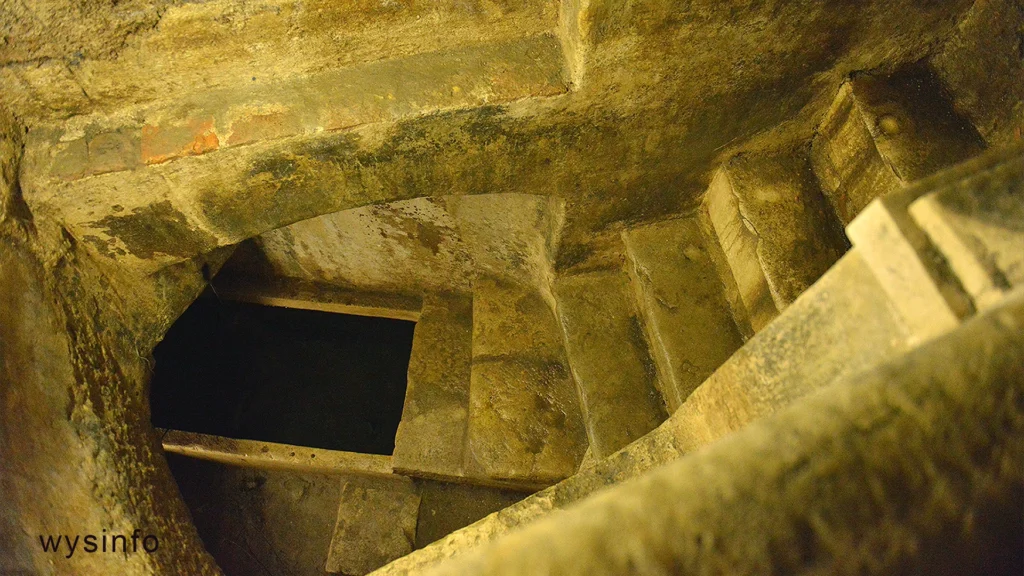
Efforts to find a descent ship to leave Portugal as fast as possible
Officials inspect Hareuveni and his crew in the ship
Leaving Laga (Lagoa) experiencing storms, unexpected events and entering the Spanish controlled territory
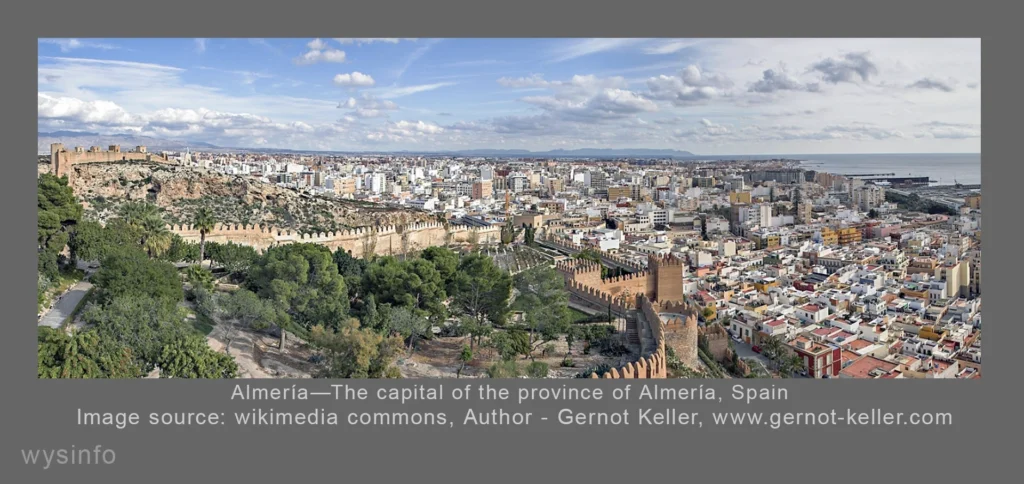
Hareuveni in the hands of the Holy Roman Empire officials
Letters to the Charles the 5th – The Holy Roman Emperor
Waiting for the Holy Roman Emperor’s decision
Meeting with an important Ishmaelite who converted to Christianity
Relations with the Bishop of the city
Hareuveni about an earlier earthquake and the connection to Jerusalem
The Holy Roman Emperor’s decision arrived
Leaving Almeria to> ….> Sorbas > ….> Orka (Lorca) > Albaneim (The Hot springs, Al-Hama, Los Banos of Murcia)
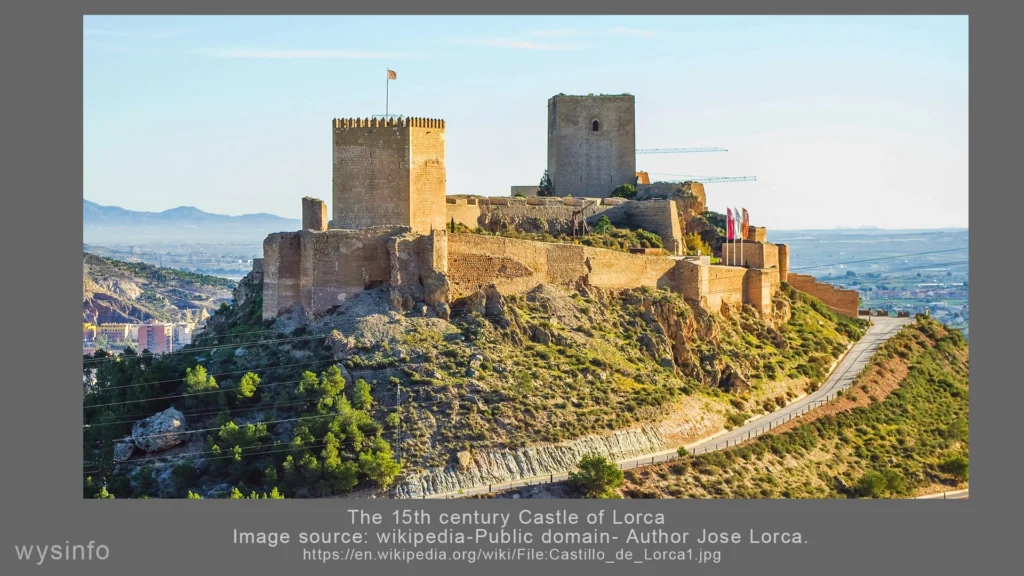
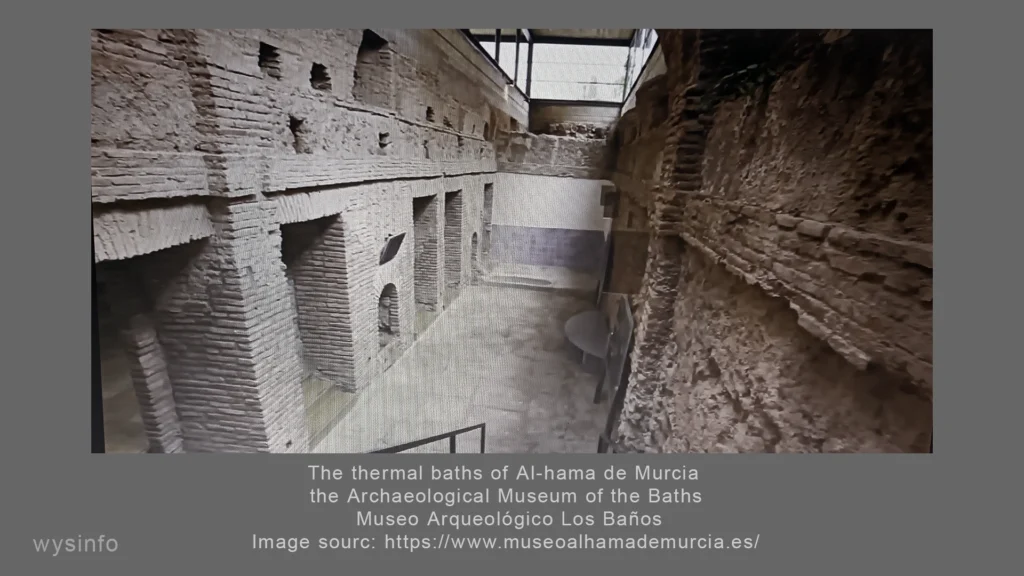
Events in Cartagena….
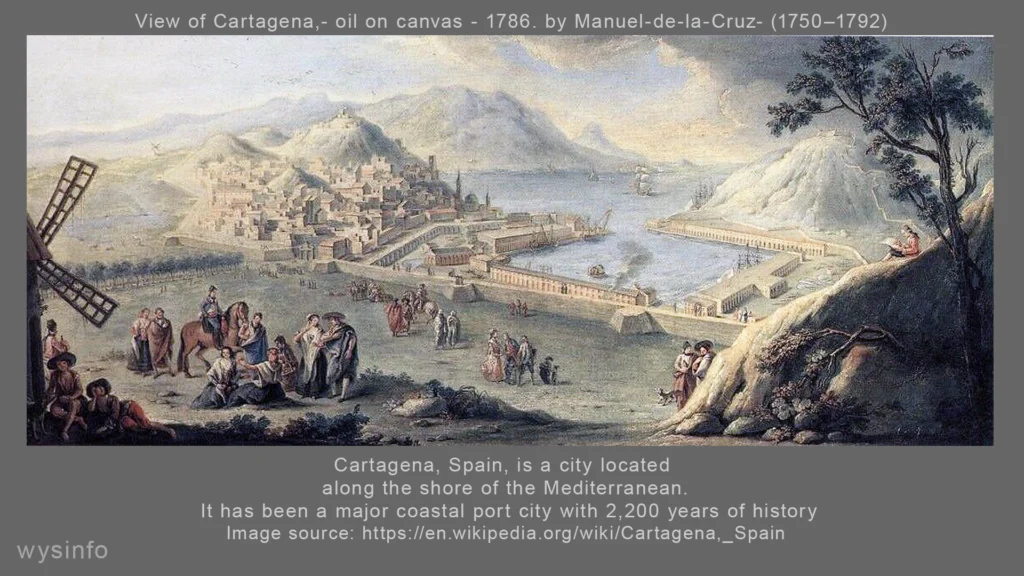
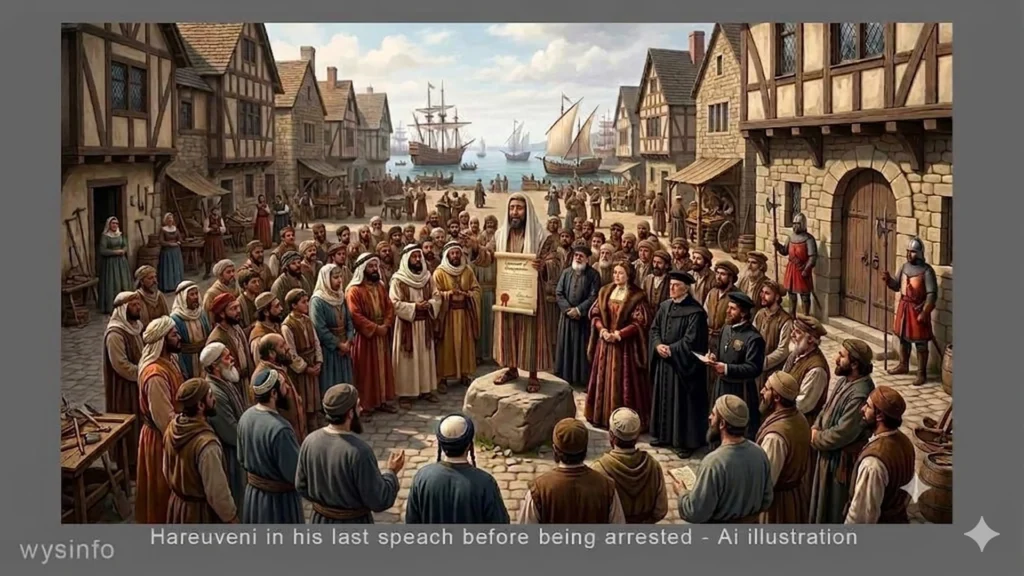
A Final Entry by Hareuveni’s Scribe
“Up to here in handwriting since (the rest) is missing. And I [the copyist who copied Hareuveni’s diary] do not know how many pages are missing. Therefore we will not be able to know what was the end of things with David Hareuveni.“
*** These are the expenses that were done by Rabbi Shlomo Cohen to our master the minister of war Rabbi David: (P. 216 mid to P. 223) [Following are the list of expenses].
*****
Sources:
David Hareuveni Diary-Hebrew
https://www.daat.ac.il/daat/vl/tohen.asp?id=394
https://www.daat.ac.il/daat/vl/davidhareuveni/davidhareuveni01.pdf https://www.daat.ac.il/daat/vl/davidhareuveni/davidhareuveni02.pdf
(The free style English translation in this site was prepared by Wysinfo based on the Hebrew text of the photographic facsimile/copy of the diary, referenced above.
The sole surviving manuscript of Ha-Reuveni’s journal was acquired by the Bodleian Library at Oxford in 1848, but the physical manuscript was subsequently lost in 1867. Before its loss, a photographic facsimile/copy was made from the Oxford manuscript. This facsimile became the primary foundational source for modern scholarly editions).
***
The exiled and the redeemed – Itzhak Ben-zvi
https://archive.org/search?query=the+exiled+and+the+redeemed&tab=all
***
סיפור דוד הראובני ערוך בידי אהרן זאב אשכולי מהדורה שניה מורחבת–מוסד ביאליק 1993
***
David Reubeni in the Light of History, Author: A. Z. Aešcoly
Source: The Jewish Quarterly Review , Jul., 1937, New Series, Vol. 28, No. 1 (Jul.,
1937), pp. 1-45
Published by: University of Pennsylvania Press
Stable URL: https://www.jstor.org/stable/1452585
***
DAVID REUBENI, AN EARLY VISITOR TO SENNAR, Hillelson, S. , Sudan Notes and Records 16, no. 1 (1933): 55–66. http://www.jstor.org/stable/41716047
***
David Reubeni’s Route in Africa, S. Hillelson
Source: The Jewish Quarterly Review , Jan., 1938, New Series, Vol. 28, No. 3 (Jan.,
1938), pp. 289-291
Published by: University of Pennsylvania Press
Stable URL: https://www.jstor.org/stable/1452050
***
“David Ha-Reuveni, Motsao, leshono ute’udato,” Abraham Shalom Yahuda, Hatequfa 34- 35 (1950): 599-625, (Hebrew: דוד הראובני: מוצאו, לשונו ותעודתו ;התקופ); “David Ha-Reuveni: His Origin, Language, and Mission
***
Diary of a Black Jewish Messiah
The Sixteenth-Century Journey of David Reubeni through Africa, the Middle East, and
Europe – Alan Verskin
https://www.sup.org/books/jewish-studies/diary-black-jewish-messiah/excerpt/introduction-excerpt
***
https://en.wikipedia.org/wiki/History_of_Portugal_(1415%E2%80%931578)
https://en.wikipedia.org/wiki/History_of_Spain
Late Middle Ages and Renaissance (14th century to 1559)
https://en.wikipedia.org/wiki/Italy_in_the_Middle_Ages
https://en.wikipedia.org/wiki/Holy_Roman_Empire
The Ottoman Empire – Expansion and peak (1453–1566)
https://en.wikipedia.org/wiki/Ottoman_Empire
***
Feel free to contact us at E-mail: wysinfo.com or by adding your comments on any of the Front Pages within our site: Gallery – Pics & Clips; Migratory Birds; Life From The Dead Sea; The Scent Of Perfume; Pigeons And Doves; Jews of Yemen; All The World Is A Stage Project.
We want to hear your comments about any of our docuwebs, as well as your ideas for other interesting topics. (Please note, we do not publish spam or politically motivated comments.)
Our goal is to provide a reliable source of information for web users, based on careful and original research, in simple English for a broad audience.
With time, WysInfo will include a variety of subjects concerning culture, history, nature and our world as a whole.
You can also find our videos on our Wysinfo Youtube channel.